


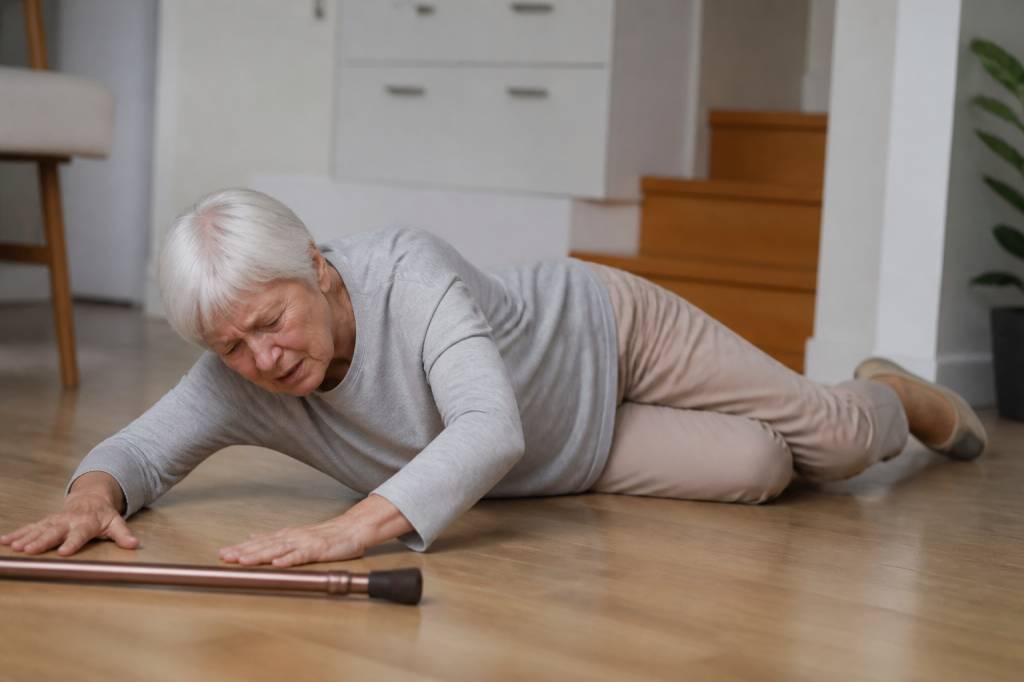
A fall is an unexpected event that causes a person to come to rest on the ground or another lower level. It may happen in a split second: a wet kitchen tile, an uneven pavement, a loose rug, or a moment of dizziness can turn an ordinary day into a medical emergency.
Falls are often treated as simple accidents, but they are a major public health issue. They can lead to broken bones, head injuries, loss of confidence, reduced mobility, and long periods of recovery. For older adults in particular, one fall may change daily life far beyond the original injury.
The good news is that many falls can be prevented. Understanding why they happen—and how our homes, streets, health, and climate can influence risk—is an important first step.
What exactly counts as a fall?
Health professionals use a precise definition: a fall is an unexpected event in which a person comes to rest on the ground, floor, or another lower level. This definition includes more than dramatic tumbles on a staircase.
A person who slips from a chair, rolls out of bed, or loses balance while stepping off a curb has also experienced a fall. Even if there is no visible injury, the event deserves attention. A fall can reveal a change in strength, balance, vision, medication effects, or the safety of the surrounding environment.
Not every fall is caused by the same mechanism. Some happen because of an external hazard, such as ice or poor lighting. Others are linked to an internal change, such as low blood pressure, muscle weakness, or a sudden loss of consciousness. Often, several factors come together at the same moment.
Why falls matter to public health
Falls affect people of every age, but the risk and consequences generally increase with age. Children may fall while playing or learning to walk. Athletes can lose their footing during movement. Workers may fall from ladders or elevated platforms. Older adults are more likely to experience serious injuries because bones may be more fragile and recovery can be slower.
Common consequences include bruises, sprains, fractures, cuts, and head injuries. A broken hip, for example, may require surgery and rehabilitation. Some people experience a long-term reduction in independence after such an injury. They may need help with bathing, shopping, cooking, or simply moving around the home.
There is also an emotional impact. After a fall, many people become afraid of falling again. They may stop walking outdoors, avoid social activities, or reduce physical movement. This caution is understandable, but too much inactivity can weaken the muscles and balance systems that help prevent future falls. Fear can become part of the cycle.
For health services, falls can mean emergency visits, hospital admissions, rehabilitation, home care, and additional support for families. Preventing falls is therefore not only about avoiding pain; it is also about protecting independence and reducing pressure on healthcare systems.
The everyday causes hiding in plain sight
Many falls occur in familiar places rather than unusual or dangerous environments. At home, common hazards include clutter on the floor, trailing electrical cords, loose mats, slippery bathroom surfaces, and poor lighting. A pair of reading glasses left on the stairs may seem harmless—until someone steps over them in the dark.
Outdoor environments create their own challenges. Cracked sidewalks, potholes, wet leaves, snow, ice, steep curbs, and uneven surfaces can make walking difficult. Public spaces become less accessible when benches are limited, crossings are poorly designed, or streetlights do not provide enough illumination.
Footwear also plays a role. High heels, smooth soles, poorly fitting slippers, and worn-out shoes can reduce stability. Comfortable shoes with a secure fastening and a firm, non-slip sole are often a simple but valuable form of protection.
Sometimes the environment is not the main cause. A person may fall because of reduced muscle strength, joint pain, balance problems, vision changes, or an illness affecting the nervous system. Dehydration, infection, fatigue, and low blood sugar may also make someone less steady than usual.
Medications and dizziness
Some medicines can increase the risk of falling, especially when several are taken together. Drugs used for high blood pressure, sleep problems, anxiety, pain, allergies, or depression may cause drowsiness, blurred vision, or dizziness in certain people. Diuretics may also lead to more urgent trips to the bathroom, sometimes at night and in low light.
This does not mean a person should stop taking prescribed medication. Suddenly discontinuing a treatment can be dangerous. Instead, medication should be reviewed regularly with a doctor or pharmacist, particularly after a fall, a change in health, or the addition of a new prescription.
A useful question is: “Did anything change before the fall?” A new medicine, a different dose, a recent illness, or a skipped meal may provide an important clue.
How the body changes with age
Ageing is not a disease, and older adults are not destined to fall. However, some natural changes can affect stability. Muscle mass and power may decrease over time, making it harder to recover after a stumble. Reaction speed may become slower. Vision can be affected by cataracts, glaucoma, or difficulty seeing contrasts in dim light.
The inner ear helps control balance, and changes in this system may produce a sensation of unsteadiness. Joint stiffness and pain can also alter the way a person walks. A shorter stride or cautious movement may sometimes reduce stability rather than improve it.
Regular physical activity is one of the most effective ways to support balance and strength. Walking, resistance exercises, tai chi, dancing, and supervised balance training can help people remain mobile. The right activity depends on a person’s abilities and health conditions, so professional guidance may be useful when there are existing problems.
Creating a safer home
A home safety check does not require expensive technology or a complete renovation. Small changes can make a meaningful difference:
The last point may sound familiar to anyone who has nearly tripped over a playful dog or a silent cat. Pets bring comfort and companionship, but their movements can create unexpected obstacles. Good lighting and clear pathways benefit both humans and animals.
Falls outdoors and the changing climate
Environmental conditions can increase fall risk, and climate change is making some of those conditions more common or more intense. Heat waves may cause dehydration, weakness, and dizziness. Heavy rainfall can leave pavements and public transport areas slippery. Strong storms may scatter branches and debris across paths.
In colder regions, freezing temperatures create ice on roads, steps, and sidewalks. In warmer areas, extreme heat can reduce concentration and physical stamina. Poor air quality during wildfire smoke events may also make people short of breath or less able to move safely outdoors.
Urban planning has an important role to play. Well-maintained sidewalks, accessible crossings, benches, shade, adequate lighting, and rapid removal of snow or fallen leaves can reduce hazards for everyone. These improvements are especially important for older adults, people with disabilities, and those using walking aids.
Before going outside during difficult weather, consider the conditions and the route. Wear appropriate footwear, carry water during hot weather, allow extra time, and avoid rushing. A few minutes of planning is preferable to an unexpected meeting with the pavement.
What to do immediately after a fall
After a fall, the first priority is to remain calm and assess the situation. Trying to stand up too quickly can worsen an injury. If there is severe pain, bleeding, difficulty breathing, confusion, loss of consciousness, or a suspected injury to the head, neck, back, or hip, emergency medical help should be requested.
If the person is able to move without serious pain, they can roll onto their side, rest briefly, and slowly move toward a sturdy chair or another stable support. Pulling on a small table, wheeled chair, or loose object is unsafe because it may move suddenly.
Someone who has hit their head should be monitored carefully, even if the injury initially appears minor. Warning signs such as repeated vomiting, worsening headache, unusual sleepiness, weakness, slurred speech, confusion, or changes in vision require urgent medical attention.
Falls without obvious injury still deserve discussion with a healthcare professional, particularly when they happen more than once. A fall may be the first visible sign of an underlying health problem.
Preventing the fear that follows
Confidence often returns gradually. A person recovering from a fall may benefit from physical therapy, strength exercises, balance training, and a review of walking aids. A cane or walker should be correctly fitted; using the wrong height can make walking less stable.
Support from family and friends matters too. It is tempting to do everything for someone who has fallen, but excessive help can unintentionally reduce strength and independence. Safer support encourages movement while respecting the person’s pace.
Simple goals can help: walking to the mailbox, preparing a meal while standing safely, or joining a gentle exercise class. Progress may be modest, but each successful activity can rebuild trust in the body.
A shared responsibility
Falls are not simply a private problem or an unavoidable part of ageing. Individuals can improve strength, review medications, wear suitable footwear, and make homes safer. Families can offer practical support. Health professionals can identify medical risks. Communities can design cleaner, better-lit, more accessible public spaces.
When we look at falls through this wider lens, prevention becomes more than avoiding clutter or watching our step. It becomes a way to protect mobility, dignity, participation, and quality of life.
The next time you notice a loose rug, a dark stairwell, or an icy pathway, do not dismiss it as a minor inconvenience. Removing one hazard today may prevent a serious injury tomorrow—and help someone continue moving through the world with confidence.