


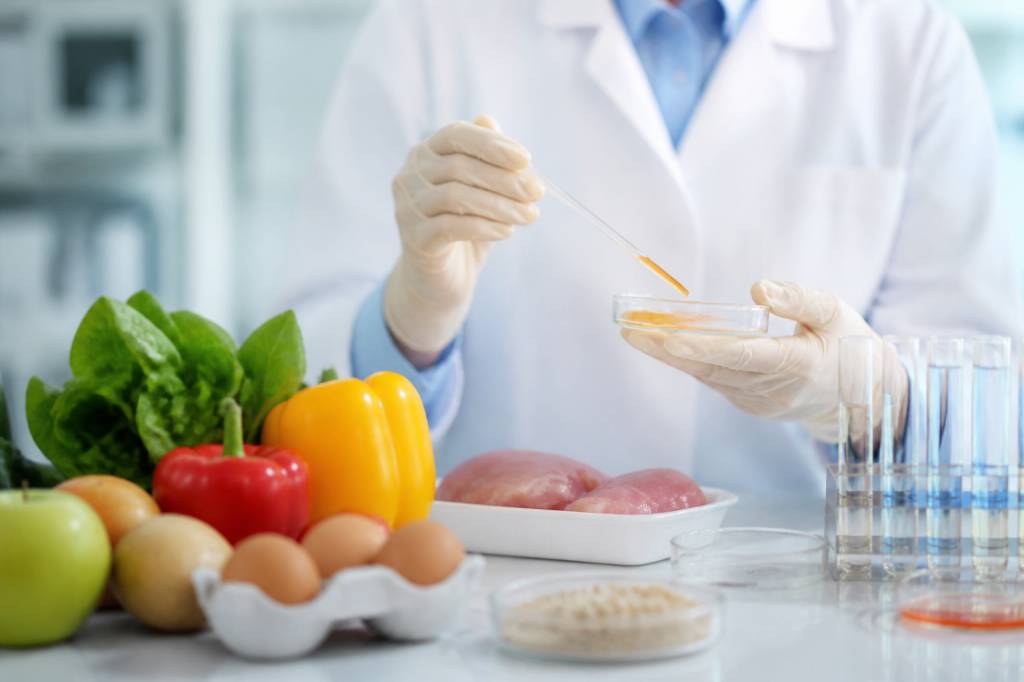
Walk through any supermarket aisle and you’ll see a modern food miracle hiding in plain sight: products that stay bright, smooth, shelf-stable, and “fresh” for far longer than nature would normally allow. That magic is often the work of food additives. Some are harmless, some are useful, and some deserve a closer look. If you’ve ever wondered whether those long ingredient lists are a problem for your health, your family, or even the planet, you’re not alone.
Food additives are part of the everyday food landscape. They help preserve, color, thicken, sweeten, and stabilize what ends up in our carts and on our plates. But convenience comes with trade-offs. The question isn’t whether additives exist, but how they affect us over time, what they mean for the environment, and how we can make smarter choices without turning every meal into a chemistry exam.
What are food additives, really?
Food additives are substances added to foods during processing, preparation, or packaging to achieve a specific purpose. That purpose might be practical—keeping bread soft, preventing spoilage, or making a sauce look appetizing—or it might be purely sensory, like boosting sweetness or creating a vivid color.
Common categories include:
- Preservatives to slow spoilage and inhibit microbial growth
- Colorants to restore or enhance appearance
- Flavor enhancers to intensify taste
- Emulsifiers and stabilizers to keep ingredients mixed and textures consistent
- Sweeteners to replace sugar or reduce calorie content
- Thickeners and gelling agents to improve consistency
Some additives are natural in origin, others are synthetic, and many are identical to compounds found in nature. That sounds reassuring, but “natural” does not automatically mean “safe,” and “synthetic” does not automatically mean “dangerous.” The real issue is exposure, dose, and how the body responds over time.
Why food manufacturers use them
Before judging additives too quickly, it helps to understand why they are so common. Modern food systems are built for scale, transport, and long shelf life. A loaf of bread may need to survive a week in a truck, a warehouse, a store, and then a kitchen counter. A packaged meal must remain stable and appealing even when it’s been sitting under fluorescent lights for months.
Additives can reduce food waste, lower costs, and make safe food available across long supply chains. In some cases, they also improve nutritional quality. For example, certain additives help keep low-fat products creamy, while others allow food to be fortified with vitamins and minerals.
So the issue is not that all additives are unnecessary. It’s that our food system often relies on them heavily, especially in ultra-processed foods. And that’s where health concerns tend to start piling up.
Health risks: what the science suggests
Most additives approved by regulatory agencies have undergone safety assessments. That’s important. It means they are not floating around in food by accident. But “approved” does not mean “ideal for unlimited daily consumption,” and it doesn’t mean every additive is equally well understood.
The biggest concerns usually involve frequent intake of highly processed foods rather than isolated exposure to one ingredient. In other words, it’s rarely the occasional soda or packaged snack that raises eyebrows. It’s the pattern.
Potential health issues linked to certain additives include:
- Digestive discomfort, especially with some sweeteners and emulsifiers
- Headaches or sensitivity reactions in susceptible individuals
- Behavioral effects in some children when certain colorants are consumed regularly
- Metabolic concerns when additives encourage high intake of ultra-processed foods
- Changes in gut microbiota, an area of growing research
Artificial sweeteners are a good example of the complexity here. They can help reduce sugar intake, which sounds like a win. But for some people, they may maintain a preference for intense sweetness, and research is still exploring how they influence appetite, glucose regulation, and the gut microbiome.
Emulsifiers are another interesting case. These ingredients help keep products uniform and attractive, but some studies suggest they may affect the intestinal barrier or gut bacteria in ways that could matter for long-term health. The evidence is still evolving, and not every emulsifier carries the same concern, but the topic is serious enough to warrant attention.
Then there are colorants and preservatives. Many are safe within established limits, but some people are more sensitive than others. A child who seems “fine” on one packaged treat may not be so fine after several colorful snacks at a birthday party. Parents know the scene: one cupcake becomes three, and suddenly the evening has a little more energy than anyone requested.
It’s also worth noting that the overall quality of the diet matters. A food full of additives is often also high in salt, sugar, refined starches, and unhealthy fats. Additives are not the only problem, but they can be part of a bigger nutritional picture that nudges us away from whole foods.
The environmental footprint hidden behind convenience
Food additives are not only a health story. They are also an environmental story, because they are embedded in the industrial food chain.
The environmental impacts come from several directions. First, there is the manufacturing process itself. Producing additives requires energy, raw materials, water, and transport. Some additives are derived from petrochemicals or intensive industrial processes, which means emissions and waste are part of the equation.
Second, additives help create ultra-processed foods with long shelf lives. That can reduce some types of food waste, but it can also encourage highly packaged, globally distributed products that rely on extensive logistics, refrigeration, and disposable packaging. The result? A hidden environmental cost that rarely appears on the label.
Third, certain ingredients used as additives, or used to produce them, may be linked to monoculture agriculture. When a food system depends heavily on a few commodity crops, biodiversity can suffer. Soil health, pollinator habitats, and water quality all feel the pressure.
There is also the problem of packaging. Many additive-rich products are sold in single-use wrappers, tubs, and pouches designed for convenience and shelf stability. Those materials often end up in the waste stream, and not always in the recycling bin we hope for. It’s a small package in your hand, but a much larger footprint once multiplied by millions.
From a climate perspective, the broader issue is this: the more a diet depends on industrially processed products, the more it tends to rely on energy-intensive systems, long-distance transport, and material-heavy packaging. Additives are not the sole cause, but they are part of the architecture of that system.
Which additives deserve a closer look?
Not all additives are equal, and it helps to avoid panic. Still, some categories tend to raise more questions than others.
- Artificial colorants are often unnecessary and mainly cosmetic
- High-intensity sweeteners can be useful, but they may shape taste preferences in ways worth watching
- Some emulsifiers are being studied for potential effects on the gut
- Nitrites and nitrates in processed meats are important to monitor because of broader dietary and cancer-risk concerns
- Flavor enhancers can make ultra-processed foods more irresistible, which is not exactly a public health triumph
The key point is not that these substances are universally harmful. It is that they are often used to make foods more appealing, more shelf-stable, and more profitable—sometimes at the expense of nutritional quality. When a product tastes like a party and behaves like a science project, it’s fair to ask a few questions.
How to read labels without losing your mind
Ingredient lists can look intimidating, but you do not need a degree in food chemistry to make better choices. Start by looking at the overall pattern rather than obsessing over one unfamiliar word.
Useful habits include:
- Check the number of ingredients — shorter lists often mean less processing
- Look for recognizable foods — ingredients like oats, beans, nuts, olive oil, spices, and yogurt are usually a good sign
- Watch for multiple types of sugar or sweeteners — they often hide under different names
- Notice how far down the list additives appear — small amounts may be normal, but many additives near the top can signal heavy processing
- Compare similar products — two yogurts can look alike and be very different nutritionally
Food labels also reveal something subtle: how much a product has been engineered. If a “cheese-flavored” snack contains more stabilizers than actual cheese, you’re not buying food so much as a formulated experience. Tasty? Maybe. Necessary? Less so.
Safer choices that still fit real life
Eating well does not mean cooking everything from scratch, growing your own basil, and fermenting your own cabbage every weekend—though if that’s your thing, wonderful. For most people, safer choices are about shifting the balance.
Here are practical swaps:
- Choose plain yogurt and add fruit, nuts, or a little honey yourself
- Pick whole-grain bread with a short ingredient list
- Use frozen vegetables instead of heavily sauced ready meals
- Favor unsalted nuts, seeds, and legumes as snacks
- Buy sparkling water with citrus instead of artificially flavored drinks
- Select minimally processed sauces with ingredients you actually recognize
When you do buy packaged foods, prioritize products that are both nutritionally sound and less heavily engineered. A good rule of thumb: if the ingredient list reads like something your grandmother might have cooked with, you’re probably on safer ground.
It also helps to cook simple meals that reduce dependence on additives without demanding hours in the kitchen. Think roasted vegetables, lentil soup, eggs with greens, oatmeal with fruit, rice with beans, or a salad built around leftover chicken or tofu. Simple food can be deeply satisfying, and it usually comes with fewer surprises.
What about “natural” additives?
“Natural” is one of the most persuasive words in marketing, but it deserves scrutiny. Natural additives can still be highly processed. They can still provoke sensitivity in some people. And they are not automatically better for the environment if they require intensive cultivation, extraction, or transport.
For example, a natural flavor may come from plant material, but extracting it can involve substantial industrial processing. A natural colorant may replace a synthetic dye, but the source crop may need large amounts of land or water. Better is not always simple.
This is why context matters. The healthiest approach is usually not to fear every additive, but to reduce dependence on ultra-processed foods overall. That strategy benefits both the body and the planet.
A healthier food environment starts with everyday choices
Food additives are a useful lens through which to see a bigger truth: our food environment shapes our health more than any single ingredient does. If your kitchen is full of mostly whole foods, occasional additives are unlikely to dominate your life. If your diet is built around packaged snacks, sweetened drinks, and ready-to-eat meals, additives become part of a much larger pattern.
That’s the good news too. Small shifts add up. Replacing one ultra-processed item a day with a simpler, less processed alternative can improve nutrient intake, lower exposure to certain additives, and reduce packaging waste. Multiply that by a household, a neighborhood, or a school lunch program, and the impact grows quickly.
There is no need for fear, and no need for perfection. But there is good reason to be informed, selective, and a little skeptical when a product’s appeal depends more on formulation than on food.
In the end, the smartest choices are usually the least dramatic ones: read labels, prefer whole foods, keep an eye on the long ingredient lists, and remember that convenience should not cost us our health or the health of the planet. Your next grocery trip may not save the world, but it can certainly be a step in the right direction.