


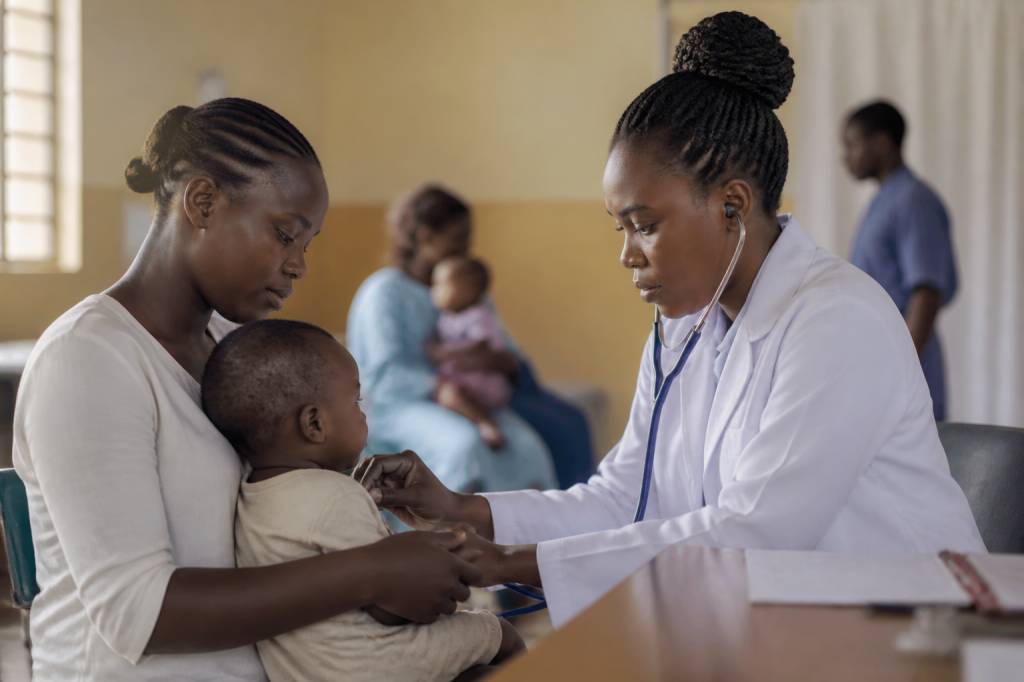
In many African communities, health is shaped long before someone enters a clinic. It is influenced by the quality of the water at home, the air breathed beside a busy road, the distance to the nearest health centre, the reliability of electricity, and even the changing rhythm of the rainy season.
Africa is not a single health story. The continent includes more than 50 countries, thousands of cultures, rapidly growing cities, vast rural areas, and very different economic realities. Yet many communities share challenges that are closely connected to environmental conditions, poverty, climate change, and unequal access to care.
The encouraging news is that Africa is also home to practical, innovative solutions. From community health workers and solar-powered clinics to locally led vaccination campaigns and climate-smart farming, people across the continent are building healthier futures with determination and creativity.
A diverse continent with unequal health outcomes
Health conditions vary widely between and within African countries. A modern urban hospital may exist only a few kilometres from a rural village where basic medicines are difficult to obtain. In the same city, one neighbourhood may have clean water and reliable sanitation while another depends on informal water vendors and overcrowded facilities.
These differences are often described as health inequalities. They are not simply the result of individual choices. They reflect income, education, infrastructure, gender, geography, governance, and historical patterns of underinvestment.
Several countries have made important progress in reducing child mortality, expanding vaccination, and improving access to HIV treatment. At the same time, preventable infectious diseases remain a major concern, while conditions such as diabetes, hypertension, cancer, and heart disease are becoming more common. Health systems must therefore manage a “double burden”: infectious diseases and maternal or child health challenges alongside a growing number of chronic illnesses.
Environmental risks that affect everyday health
For many families, environmental health is not an abstract concept. It is the smoke in the kitchen, the mosquito near the bed, or the floodwater entering the home.
Unsafe water and inadequate sanitation
Access to safe drinking water is one of the strongest foundations of public health. When water sources are contaminated, diarrhoeal diseases can spread quickly, particularly among young children. Collecting water can also consume several hours each day, usually placing the greatest burden on women and girls.
Improving health does not always require sophisticated technology. Protected wells, reliable water treatment, handwashing stations, functioning toilets, and local maintenance systems can prevent disease before it reaches a clinic. The less glamorous parts of public health are often the most powerful—and unfortunately, a well-maintained toilet rarely receives the attention it deserves.
Air pollution and household smoke
In many homes, cooking with charcoal, wood, or other solid fuels produces indoor air pollution. Women, children, and older people may spend the most time in these environments, inhaling fine particles that can irritate the lungs and increase the risk of respiratory infections, chronic lung disease, and cardiovascular problems.
Outdoor air pollution is also increasing in rapidly expanding cities. Traffic, construction, open waste burning, industrial activity, and dusty roads can all contribute to unhealthy air. Air-quality monitoring remains limited in many places, making it difficult for residents to know when pollution levels are dangerous.
Cleaner cooking technologies, improved ventilation, affordable public transport, and stronger waste-management systems can make a measurable difference. Solutions must be designed around local realities: a stove that is technically excellent but too expensive or difficult to repair will not remain useful for long.
Vector-borne diseases
Mosquitoes, ticks, and other disease-carrying insects respond quickly to changes in temperature, rainfall, and land use. Malaria remains one of the most serious health threats in many African countries, especially for children under five and pregnant women. In some regions, dengue, chikungunya, yellow fever, and other mosquito-borne diseases also pose risks.
Prevention combines several tools:
- Insecticide-treated bed nets and indoor residual spraying
- Early testing and effective treatment
- Removal of stagnant water near homes
- Reliable disease surveillance
- Vaccination where recommended and available
- Community education about symptoms and when to seek care
Climate change makes this work more complex. Warmer conditions may allow some mosquitoes to survive in areas where they were previously uncommon, while unpredictable rainfall can create new breeding sites. Public health teams must therefore monitor not only diseases, but also the environmental conditions that help them spread.
Climate change is a health issue
A changing climate affects health through heat, floods, droughts, food insecurity, disease transmission, and displacement. Africa contributes relatively little to global greenhouse gas emissions compared with many industrialised regions, yet African communities are among those most exposed to climate-related risks. This is one of the clearest examples of environmental injustice.
Heatwaves can worsen dehydration, kidney disease, heart conditions, and pregnancy complications. Outdoor workers—farmers, construction workers, street vendors, and transport workers—may be exposed for hours during the hottest part of the day. Simple measures such as shaded rest areas, water breaks, adjusted working schedules, and early heat warnings can save lives.
Floods create another chain of health problems. They can damage clinics, contaminate water supplies, interrupt vaccination programmes, and leave standing water where mosquitoes breed. After a flood, families may face injuries, infectious disease, emotional distress, and the loss of homes or livelihoods.
Drought brings a different set of pressures. Crops fail, food prices rise, and families may reduce the quantity or quality of their meals. Children are particularly vulnerable to malnutrition, which can affect growth, immunity, learning, and long-term health.
Climate adaptation should therefore be treated as healthcare. Stronger drainage, drought-resistant crops, early-warning systems, resilient clinics, urban trees, and emergency response plans are not optional extras. They are investments in public health.
Maternal, newborn, and child health
Pregnancy should be a time of care and anticipation, not a dangerous journey. Yet many women still face barriers to antenatal care, skilled birth attendance, emergency obstetric services, and postnatal support.
Distance is a major factor. A woman living in a remote area may need to travel for hours—sometimes on foot or by motorcycle—to reach a health facility. Transport costs, social expectations, lack of information, and shortages of trained staff can delay care when every minute matters.
Practical interventions include community health workers, maternity waiting homes near hospitals, mobile clinics, emergency transport networks, and respectful maternity care. Better maternal health also depends on wider social conditions: girls’ education, access to nutrition, freedom from gender-based violence, and the ability to make decisions about reproductive health.
Child health improves when several basics work together: vaccination, breastfeeding support, nutritious food, clean water, malaria prevention, and prompt treatment for pneumonia or diarrhoea. A single intervention rarely solves everything. Health is more like a woven basket than a magic pill—remove too many strands, and the whole structure becomes fragile.
The rise of non-communicable diseases
Africa’s health priorities are changing. Urbanisation, sedentary lifestyles, tobacco use, alcohol consumption, stress, and the growing availability of highly processed foods are contributing to increased rates of hypertension, diabetes, obesity, stroke, and certain cancers.
These conditions can remain invisible for years. A person may feel perfectly well while high blood pressure quietly damages the heart, brain, kidneys, or eyes. Screening at community events, pharmacies, workplaces, and primary-care centres can help identify problems earlier.
Prevention does not mean blaming individuals. Healthy choices are easier when people have access to safe places to walk, affordable fresh food, clean air, and reliable health information. Governments can support prevention through tobacco regulation, clearer food labelling, restrictions on harmful marketing to children, and investment in primary care.
Traditional diets often contain nutritious local foods such as beans, grains, vegetables, fruits, nuts, and fish. Supporting local farmers and food systems can improve both public health and environmental sustainability. The healthiest plate may be one that has travelled the shortest distance from soil to kitchen.
Community health workers: local knowledge with global impact
Community health workers are among the most important links between households and formal health systems. They may provide health education, distribute bed nets, support vaccination, identify danger signs, encourage antenatal visits, and refer patients to clinics.
Their strength comes from trust. A community health worker often speaks the local language, understands cultural practices, and knows which families may need extra support. During outbreaks or emergencies, this relationship can make the difference between rumours spreading and accurate information reaching people in time.
These workers need more than goodwill. Fair pay, proper training, protective equipment, supervision, and opportunities for professional development are essential. Asking people to carry the weight of a health system without supporting them is neither sustainable nor respectful.
Technology that strengthens, rather than replaces, care
Digital tools are opening new possibilities. Mobile phones can remind patients about appointments, support disease surveillance, provide medical advice, and connect rural health workers with specialists. Telemedicine can reduce travel for some consultations, while electronic records may help health teams track patients more effectively.
But technology is not automatically inclusive. Internet access, electricity, digital literacy, language, privacy, and the cost of mobile data all matter. A health application that works beautifully in a major city may be useless in a village with intermittent network coverage.
The most effective approach combines innovation with simple, reliable systems. Solar power can keep refrigerators running for vaccines. Portable diagnostic devices can help identify malaria or high blood pressure. Radio programmes can share health information in areas where smartphones are uncommon. Good technology meets people where they are.
Building healthier cities and communities
Africa is urbanising rapidly. Cities can create jobs, education, and access to healthcare, but poorly planned growth may also produce overcrowded housing, unsafe roads, polluted air, limited green space, and inadequate sanitation.
Urban planning is therefore a public health tool. Communities benefit from:
- Safe walking and cycling routes
- Reliable public transport
- Affordable, well-ventilated housing
- Accessible parks and shaded public spaces
- Effective waste collection and drainage
- Markets that support fresh and nutritious food
- Clinics located close to underserved neighbourhoods
Local residents should be involved in planning decisions. People who live beside a flood-prone road or collect water from a distant source understand practical risks that may not appear on a consultant’s map. Listening is not a symbolic gesture; it is a form of evidence gathering.
What meaningful progress looks like
Better well-being in Africa will not come from one imported solution or a single international campaign. It will come from sustained investment in primary healthcare, education, clean energy, resilient infrastructure, environmental protection, and locally led programmes.
Progress can be measured in many ways: fewer children dying from preventable diseases, more women receiving respectful maternity care, cleaner air in homes, faster responses to outbreaks, safer water, and communities better prepared for heat and floods.
Individuals also have a role, where circumstances allow: using treated water, seeking early medical advice, protecting children from mosquito bites, supporting local environmental initiatives, and sharing reliable health information. But personal action must never replace public responsibility. No family can recycle its way out of polluted air or simply “choose” its way around a missing clinic.
A healthier Africa is possible because many of the necessary solutions already exist. The challenge is to finance them fairly, adapt them to local needs, and maintain them over time. When environmental protection, social equity, and public health are treated as parts of the same picture, well-being becomes more than the absence of disease. It becomes the ability to live, learn, work, and plan for the future with dignity.