


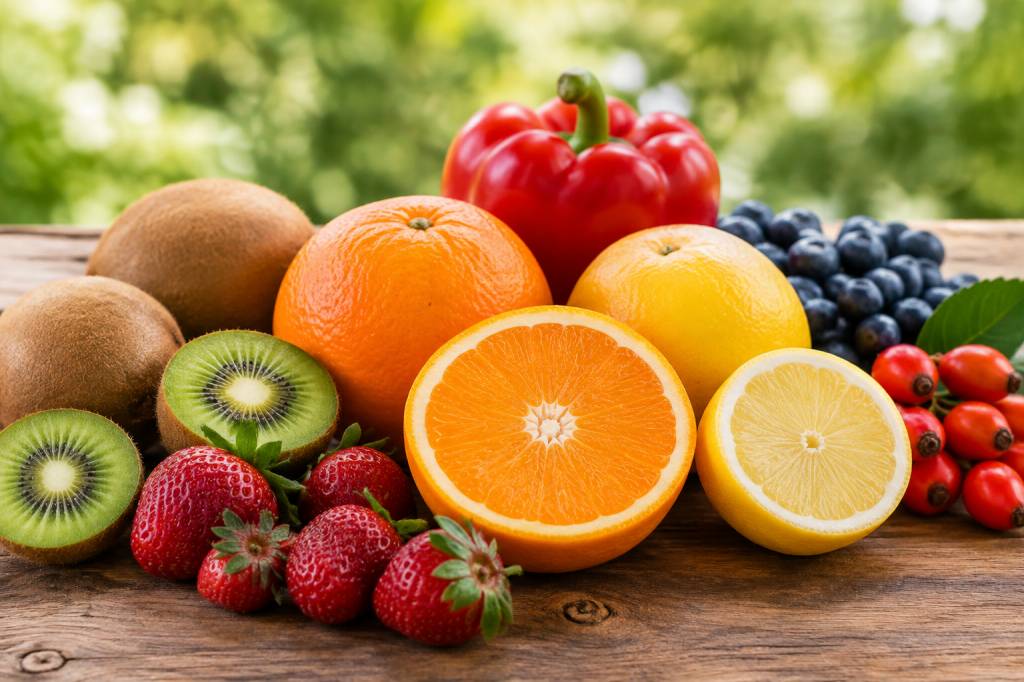
When people think of vitamin C, the usual image is an orange sitting in a breakfast bowl. Or perhaps a lemon squeezed into a glass of warm water. Citrus fruits certainly deserve their reputation, but they are not the only, or even the richest, sources of this essential nutrient.
Depending on where you live, the fruit with the most vitamin C may be an exotic berry, a small tropical fruit, or a familiar green kiwi. Some varieties contain several times more vitamin C than an orange. The real question is not simply which fruit holds the record, but which choices are nutritious, accessible, fresh, and realistic for your daily life.
Why vitamin C matters for your health
Vitamin C, also called ascorbic acid, is a water-soluble vitamin. Your body does not store large reserves of it, so regular intake matters. It supports several essential functions:
- It contributes to the normal function of the immune system.
- It helps produce collagen, a protein involved in healthy skin, blood vessels, bones, cartilage, and wound healing.
- It improves the absorption of non-heme iron, the form found mainly in plant foods.
- It acts as an antioxidant, helping protect cells from oxidative stress.
- It supports normal energy metabolism and helps reduce tiredness when deficiency is present.
Vitamin C is not a magic shield against every infection. Eating one very large quantity of fruit will not make you immune to winter viruses. However, a diet rich in vitamin C, alongside adequate sleep, physical activity, vaccination where appropriate, and good hygiene, forms part of a sensible approach to public health and personal wellness.
The fruits richest in vitamin C
Vitamin C content varies according to the variety, growing conditions, ripeness, storage, and cooking method. The values below are approximate amounts per 100 grams of edible fruit. They are useful for comparison, not a promise printed in stone.
Acerola: the vitamin C champion
Acerola, also known as Barbados cherry, is one of the richest natural sources of vitamin C. Depending on its maturity and variety, 100 grams can provide roughly 1,000 to 1,700 milligrams of vitamin C, and sometimes more.
This small red fruit grows in warm climates and has a tart, slightly apple-like flavor. It is often sold as a frozen purée, juice, powder, or ingredient in supplements rather than as fresh fruit. A small portion may therefore provide a remarkably high amount of vitamin C.
There is a practical detail worth remembering: more is not always better. Very high doses from supplements can cause digestive discomfort, including nausea or diarrhea, and may be unsuitable for some people with a history of kidney stones or specific medical conditions. Food first remains a sensible principle.
Kakadu plum: a powerful Australian native fruit
Kakadu plum is a small green fruit native to northern Australia. It has gained international attention because its vitamin C content may reach several hundred milligrams per 100 grams, with some analyses reporting more than 2,000 milligrams depending on the sample and testing method.
Fresh Kakadu plums are not widely available outside Australia. They are more commonly found in powders, extracts, jams, or specialty foods. These products can be interesting, but labels matter. A powder may be concentrated, blended with other ingredients, or supplied in very small serving sizes.
This fruit also raises an important sustainability question. When an indigenous fruit becomes fashionable, demand can create economic opportunities for local communities, but it can also place pressure on ecosystems and traditional food systems. Choosing responsibly sourced products is part of healthy consumption.
Guava: an accessible tropical powerhouse
Guava is one of the best high-vitamin-C fruits that many people can realistically add to their diet. One hundred grams may contain approximately 200 to 230 milligrams of vitamin C, depending on the variety.
A single guava can provide more vitamin C than an orange, while also contributing fiber, potassium, and beneficial plant compounds. You can eat the fruit whole after washing it, including its edible seeds and skin. Its flavor combines sweetness with a floral, slightly tangy note—an excellent upgrade for a fruit salad that has become a little predictable.
Guava is delicious on its own, blended into a smoothie, or sliced over plain yogurt. If you are monitoring added sugar, choose whole guava rather than sweetened guava nectar.
Rose hips: small fruits with a big nutritional profile
Rose hips are the red-orange fruits that develop on certain rose plants after flowering. Depending on the species and preparation, they can contain very high levels of vitamin C—often several hundred milligrams per 100 grams.
They are used in teas, syrups, jellies, powders, and supplements. Fresh rose hips are less convenient because they contain fine hairs and seeds that can irritate the mouth and digestive tract. They should be properly prepared rather than eaten casually straight from a garden rose.
Rose hip products can vary widely in vitamin C content. Drying, heating, and long storage may reduce the amount. A tea may be pleasant and hydrating, but it does not necessarily provide the same vitamin C as fresh or minimally processed fruit.
Kiwi: a practical everyday choice
Green kiwi typically provides around 90 milligrams of vitamin C per 100 grams. Golden kiwi often contains even more, although the exact amount depends on the variety.
Two medium kiwis can make a meaningful contribution to your daily vitamin C intake. They also provide fiber and a refreshing balance of sweetness and acidity. Their skin is edible when washed, although its texture is not everyone’s favorite. A spoon remains a perfectly respectable tool.
Kiwi works well in breakfast bowls, salads, smoothies, or as a simple snack. Because it is widely available in many countries, it may be a more sustainable choice than importing a highly concentrated tropical supplement—especially when purchased in season.
Strawberries: colorful, local, and nutrient-rich
Strawberries contain roughly 55 to 60 milligrams of vitamin C per 100 grams. They also offer fiber, folate, and polyphenols, including anthocyanins and other compounds associated with the vivid red color of the fruit.
Fresh strawberries are excellent, but frozen berries can be just as useful. They are often harvested at good ripeness and preserved quickly, reducing food waste. Add them to porridge, yogurt, salads, or a homemade smoothie without relying on syrup or extra sugar.
Wash strawberries shortly before eating rather than soaking them for a long time. Prolonged contact with water can affect texture and accelerate spoilage.
Oranges and other citrus fruits
Oranges generally provide about 50 milligrams of vitamin C per 100 grams. Grapefruit, lemons, limes, mandarins, and clementines also contribute useful amounts, although their levels differ.
Citrus fruits remain valuable because they are affordable, widely available, easy to store, and versatile. Their vitamin C content is only one part of the picture. They also provide water, fiber—especially when eaten whole—and a bright flavor that can make healthy meals more appealing.
Whole fruit is usually a better everyday choice than juice. Juicing removes much of the fiber and makes it easier to consume a large amount of natural sugar quickly. A glass of orange juice can fit into a balanced diet, but it should not automatically replace the orange itself.
How much vitamin C do you need?
Recommended amounts vary slightly between health authorities, but many adults need approximately 75 to 90 milligrams of vitamin C per day. People who smoke generally need more because smoking increases oxidative stress and can lower vitamin C levels. Needs may also change during pregnancy and breastfeeding.
In practical terms, one guava, two kiwis, a bowl of strawberries, or an orange with other fruit and vegetables can make a substantial contribution. You do not need to chase the highest number on the nutrition chart every day.
Vitamin C deficiency is uncommon in people with a varied diet, but risk can increase with severe food restriction, alcohol dependence, malabsorption disorders, certain medical treatments, or prolonged access to very limited foods. Persistent fatigue, poor wound healing, swollen or bleeding gums, and easy bruising deserve medical attention. These symptoms have many possible causes, so self-diagnosis is not advisable.
Freshness and cooking: protecting vitamin C
Vitamin C is sensitive to heat, oxygen, light, and prolonged storage. This does not mean cooked food is unhealthy; it simply means preparation affects nutrient levels.
- Eat fruit soon after cutting it when possible.
- Store cut fruit in an airtight container and keep it chilled.
- Prefer steaming or brief cooking to long boiling when preparing vitamin-C-rich vegetables.
- Use a small amount of water, or reuse cooking liquid in soups and sauces.
- Choose frozen fruit when fresh produce is expensive or likely to spoil.
- Avoid assuming that a bright package guarantees high vitamin C; check the product and storage information.
Smoothies can retain much of the vitamin C found in whole fruit, but blending does not make fiber disappear entirely. The main issue is portion size. Three bananas, several handfuls of fruit, and fruit juice blended into one drink can become a very large serving. Include whole fruit regularly and drink smoothies mindfully.
Vitamin C and plant-based iron
One of the most useful roles of vitamin C is helping the body absorb non-heme iron from beans, lentils, tofu, nuts, seeds, whole grains, and leafy greens.
Try adding kiwi to breakfast oats, strawberries to a meal containing beans, or lemon juice to lentil salad. A tomato and bell pepper salsa served with chickpeas is another simple combination. These pairings are especially helpful for people who eat mostly plant-based diets, menstruating women, and anyone whose iron intake is a concern.
Coffee and tea contain compounds that can reduce iron absorption when consumed with meals. You do not have to abandon your morning drink, but spacing it away from iron-rich meals may be useful if your healthcare professional has identified low iron levels.
Choosing fruit with both health and the planet in mind
A fruit’s nutritional value is important, but so are the conditions under which it reaches your plate. Transport is only one part of a food’s environmental footprint. Farming practices, refrigeration, packaging, water use, waste, and whether the food is produced in a season all matter.
Local seasonal strawberries may be a sensible choice in summer, while stored apples or citrus may be practical during colder months. Frozen fruit can reduce household waste and remains nutritionally valuable. Buying only what you can eat is one of the simplest environmental health actions available: the healthiest fruit is not the one left forgotten at the back of the refrigerator.
When choosing exotic products such as acerola or Kakadu plum, look for transparent sourcing, fair production practices, and minimal packaging. Variety is welcome, but a healthy diet does not require a constant parade of rare superfoods.
A simple vitamin C fruit routine
You could build a reliable routine without complicated recipes:
- Start the day with kiwi, strawberries, or an orange alongside oats or yogurt.
- Add guava or citrus segments to a salad at lunch.
- Use lemon or lime juice with beans, lentils, vegetables, or fish.
- Keep frozen berries available for quick breakfasts.
- Choose whole fruit for snacks instead of relying on juice.
- Rotate local seasonal fruit with imported options to support variety and reduce waste.
The most vitamin-C-rich fruit is impressive, but the best fruit for your health is the one you enjoy, can afford, can find regularly, and will actually eat. Guava, kiwi, strawberries, citrus, acerola, rose hips, and other fruits can all have a place in a balanced diet. Your body benefits less from nutritional perfection than from consistent, colorful, and varied choices made day after day.