
Adults and elderly: essential health tips for lifelong wellness
Adults and elderly: essential health tips for lifelong wellness
Wellness does not have an expiration date. Whether you are building healthier habits in your thirties, managing new health concerns after retirement, or simply hoping to stay active for many more years, small daily choices can make a meaningful difference.
Healthy aging is not about chasing perfection or trying to behave like you are twenty-five forever. It is about preserving energy, independence, mobility, and connection while adapting to the changes life naturally brings. The good news? Many of the most effective habits are simple, affordable, and available in your own home or neighborhood.
From movement and nutrition to sleep, social relationships, and protection from environmental risks, here are practical health tips for adults and older adults who want to support lifelong wellness.
Make movement part of everyday life
Regular physical activity is one of the strongest tools for maintaining health at any age. It supports the heart, muscles, bones, brain, balance, and mood. It can also reduce the risk of conditions such as type 2 diabetes, cardiovascular disease, and some forms of cancer.
You do not need an expensive gym membership or an ambitious training plan. A brisk walk after breakfast, gardening, cycling to the shops, or taking the stairs can all contribute to better fitness. The most sustainable activity is usually the one you enjoy enough to repeat.
Adults should generally aim for a combination of:
- Moderate aerobic activity, such as brisk walking, swimming, or dancing, spread across the week.
- Strength exercises at least twice weekly to protect muscle mass and bone health.
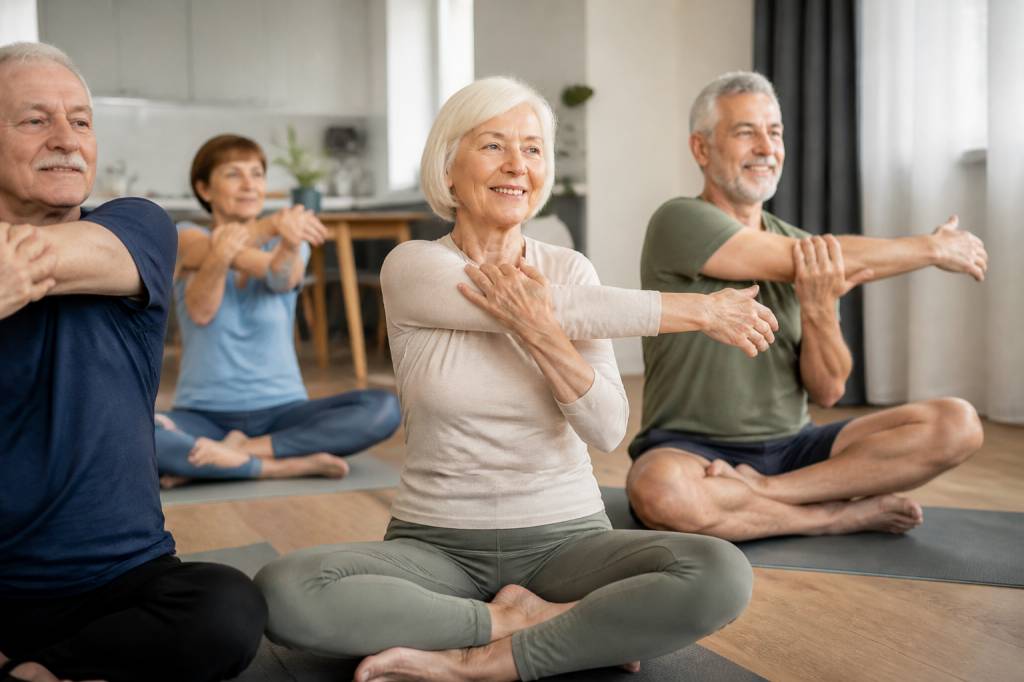
- Flexibility exercises, including gentle stretching or yoga.
- Balance training, particularly for older adults, to help reduce the risk of falls.
If you have been inactive for some time, begin gradually. Ten minutes of walking is not “too little”; it is a starting point. Increase duration and intensity slowly, and speak with a healthcare professional if you have heart disease, severe arthritis, unexplained breathlessness, or another condition that may affect exercise safety.
A useful question is: how can I move more during the day? Standing during phone calls, walking while listening to a podcast, or doing a few sit-to-stand repetitions from a sturdy chair can turn ordinary routines into opportunities for activity.
Eat for strength, energy, and healthy aging
Nutrition needs can change with age. Appetite may decrease, thirst may become less noticeable, and some medications can affect taste or digestion. At the same time, the body still needs high-quality nutrients to maintain muscle, immunity, brain function, and bone strength.
Build meals around a variety of minimally processed foods:
- Vegetables and fruit in a range of colors.
- Whole grains such as oats, brown rice, and whole-wheat bread.
- Protein sources including beans, lentils, eggs, fish, poultry, yogurt, tofu, and nuts.
- Healthy fats from olive oil, seeds, avocado, and oily fish.
- Calcium-rich foods to support bones and muscles.
Protein deserves special attention in later life because muscle loss can happen gradually and quietly. Adding beans to soup, yogurt to breakfast, an egg to lunch, or fish to dinner can help spread protein throughout the day.
Hydration matters too. Older adults may not feel thirsty even when the body needs fluid. Keep water visible and make drinking part of regular routines. Soups, milk, and water-rich fruits can also contribute. If a doctor has recommended fluid restrictions because of heart or kidney disease, follow that individualized advice.
There is no need to label every food as “good” or “bad.” A balanced pattern is more useful than dietary guilt. Occasional treats can fit comfortably into a healthy lifestyle—life would be rather bleak if a birthday cake required a medical ethics committee.
Protect your sleep and mental well-being
Sleep supports memory, immune function, emotional balance, and physical recovery. Yet many adults accept poor sleep as an unavoidable part of aging. It is true that sleep patterns can change, but persistent insomnia, loud snoring, frequent nighttime waking, or severe daytime fatigue should not simply be dismissed.
Helpful sleep habits include:
- Keeping regular sleep and wake times, including on weekends.
- Getting natural daylight early in the day to support the body’s internal clock.
- Limiting caffeine later in the afternoon.
- Reducing bright screens and stimulating activities before bed.
- Keeping the bedroom cool, quiet, and comfortable.
- Using the bed mainly for sleep rather than long periods of worrying or scrolling.
Mental health deserves the same attention as physical health. Stress, loneliness, grief, anxiety, and depression can affect appetite, sleep, movement, and motivation. Talking with a trusted person or healthcare professional is a sign of good judgment, not weakness.
Simple practices can help regulate stress: slow breathing, time in nature, journaling, music, prayer, or a short daily pause without notifications. If you experience persistent sadness, loss of interest, hopelessness, confusion, or thoughts of self-harm, seek professional help promptly. In an immediate crisis, contact local emergency services or a crisis support line.
Stay socially connected
Human beings are not designed to thrive in isolation. Strong social connections are associated with better emotional health, healthier behaviors, and greater resilience. For some older adults, retirement, relocation, bereavement, hearing loss, or reduced mobility can gradually shrink the social world.
Connection does not have to mean a crowded calendar. A weekly coffee with a neighbor, a regular video call with family, a walking group, a community garden, or volunteering at a local organization can make a real difference.
Consider creating predictable points of contact. For example, arrange a Sunday phone call, join a library activity, or invite someone for a short walk. Regularity removes the pressure of waiting for the “perfect” occasion to reach out.
Intergenerational relationships can be particularly valuable. Sharing a recipe with a grandchild, teaching someone how to grow herbs, or learning to use a new digital tool together supports mutual confidence. Older adults have experience to offer, while younger people may bring fresh perspectives and practical help.
Take preventive healthcare seriously
Preventive care helps identify problems before they become harder to manage. The right schedule depends on age, sex, family history, medications, and personal risk factors, so discuss it with your healthcare professional.
Important areas often include:
- Blood pressure, cholesterol, and blood glucose checks.
- Recommended cancer screenings.
- Vaccinations, including seasonal and age-appropriate immunizations.
- Dental examinations and treatment of gum disease.
- Vision and hearing checks.
- Bone health assessment when appropriate.
- Medication reviews, especially when several prescriptions are involved.
Keep an up-to-date list of medications, supplements, allergies, and medical conditions. Bring it to appointments. Some over-the-counter products and herbal supplements can interact with prescriptions, so “natural” does not automatically mean risk-free.
Ask questions when something is unclear. What is this medicine for? How should it be taken? Which symptoms require urgent attention? A clear conversation can prevent many avoidable problems.
Make the home safer and healthier
The places where we live strongly influence health. Indoor air pollution, dampness, excessive heat, poor lighting, and fall hazards can affect adults of all ages, with older people often facing greater consequences.
To improve home safety and environmental health:
- Install working smoke and carbon monoxide detectors.
- Improve ventilation when cooking and avoid smoking indoors.
- Address leaks, mold, and persistent dampness promptly.
- Remove loose rugs and clutter from walkways.
- Use bright lighting on stairs, hallways, and bathrooms.
- Install grab bars or non-slip surfaces where needed.
- Keep frequently used items within easy reach.
Indoor temperatures matter as well. Older adults may be more vulnerable to heat waves and cold spells. During hot weather, drink regularly, stay in the coolest available room, and check on relatives or neighbors who live alone. During extreme cold, dress in layers and avoid using unsafe heating devices indoors.
Climate change is making heat events, wildfire smoke, flooding, and some infectious diseases more common in many regions. Check local health alerts and adapt outdoor activities when air quality is poor. On smoky days, sensitive people may need to stay indoors, close windows, and use suitable air filtration if available.
Care for your bones, muscles, and balance
Falls are not an inevitable part of growing older, but prevention requires attention. Muscle weakness, poor vision, medication side effects, unsuitable footwear, and household hazards can all increase risk.
Strength and balance exercises are highly valuable. Practicing standing on one foot near a sturdy counter, walking heel-to-toe, or rising from a chair can help improve stability. Structured programs such as tai chi may also support balance and confidence.
Choose supportive shoes with a secure fit and non-slip soles. Have vision checked regularly, and tell a healthcare professional about dizziness, unsteadiness, or previous falls. A fall should not be treated as an embarrassing secret; it is useful information that may reveal a correctable health or safety issue.
Bone health also depends on adequate calcium, vitamin D, strength-bearing activity, and avoidance of tobacco. Ask a healthcare professional whether supplements or bone density testing are appropriate for you.
Use technology without letting it use you
Digital tools can support lifelong wellness. Fitness trackers may encourage walking, medication reminders can improve consistency, and telehealth can make medical advice more accessible. Online communities can also reduce isolation, particularly for people with limited mobility.
Still, technology works best as an aid rather than a replacement for judgment. Health information online varies widely in quality. Look for reliable sources from public health agencies, hospitals, universities, and recognized medical organizations. Be cautious with dramatic promises, miracle cures, and products that claim to treat many unrelated conditions.
Protect your privacy by using strong passwords, updating devices, and avoiding sharing sensitive medical information on unverified platforms. A digital step counter is useful; it does not need to become your sternest supervisor.
Build habits that can last
The healthiest routine is one that fits real life. Rather than changing everything at once, choose one practical habit and attach it to something you already do. Walk for ten minutes after lunch. Add a vegetable to dinner. Call a friend every Wednesday. Stretch while the kettle boils.
Track progress in a supportive way. Notice improvements in energy, mood, sleep, strength, or confidence—not only changes on a scale. Setbacks are normal during illness, travel, caregiving, or stressful periods. Restarting gently is more effective than waiting for perfect motivation.
Lifelong wellness is built through repeated choices: moving when possible, eating nourishing food, sleeping well, staying connected, attending preventive appointments, and creating safer surroundings. These actions may seem modest on an ordinary Tuesday, but over months and years they can protect independence and add vitality to everyday life.
Healthy aging is not about resisting every change. It is about understanding your body, adapting wisely, and continuing to participate in the world around you—one walk, meal, conversation, and well-informed decision at a time.