Afghanistan life expectancy: key health and environmental factors
Afghanistan life expectancy: key health and environmental factors
In Afghanistan, life expectancy is shaped by far more than what happens inside a hospital. It reflects the safety of a village road, the quality of drinking water, the availability of nutritious food, and whether a mother can reach a clinic before an emergency becomes fatal. It also reflects decades of conflict, repeated droughts, economic hardship, and a changing climate.
Recent international estimates generally place Afghanistan’s average life expectancy at birth in the mid- to high-50s, although figures vary by source and year. This is considerably lower than the global average. The number is important, but it is only the starting point. It does not tell us how sharply health outcomes differ between urban and rural communities, between men and women, or between families with reliable access to food and those living through displacement.
Looking at Afghanistan’s life expectancy means looking at a chain of connected risks. Poor sanitation can lead to infection. Drought can reduce food production. Malnutrition can weaken a child’s immune system. Conflict can close a clinic or make a journey impossible. These are not separate problems; they reinforce one another.
What life expectancy really tells us
Life expectancy at birth is a statistical estimate of how long a newborn might live if current mortality patterns remained similar throughout their lifetime. It is not a prediction for every individual. A child born in Kabul to a family with access to clean water, education, healthcare, and stable income may face a very different future from a child born in a remote district affected by drought and insecurity.
The figure is also strongly influenced by deaths among infants and young children. When many children die before reaching their fifth birthday, the national average falls. This is why improvements in maternal care, vaccination, nutrition, clean water, and treatment for common infections can have a rapid effect on national life expectancy.
Afghanistan has made progress in several health indicators over past decades, supported by vaccination campaigns, primary healthcare programs, and international assistance. Yet those gains remain fragile. Health services are often unevenly distributed, funding is uncertain, and millions of people continue to live with poverty or humanitarian needs.
Maternal and child health: the first years matter most
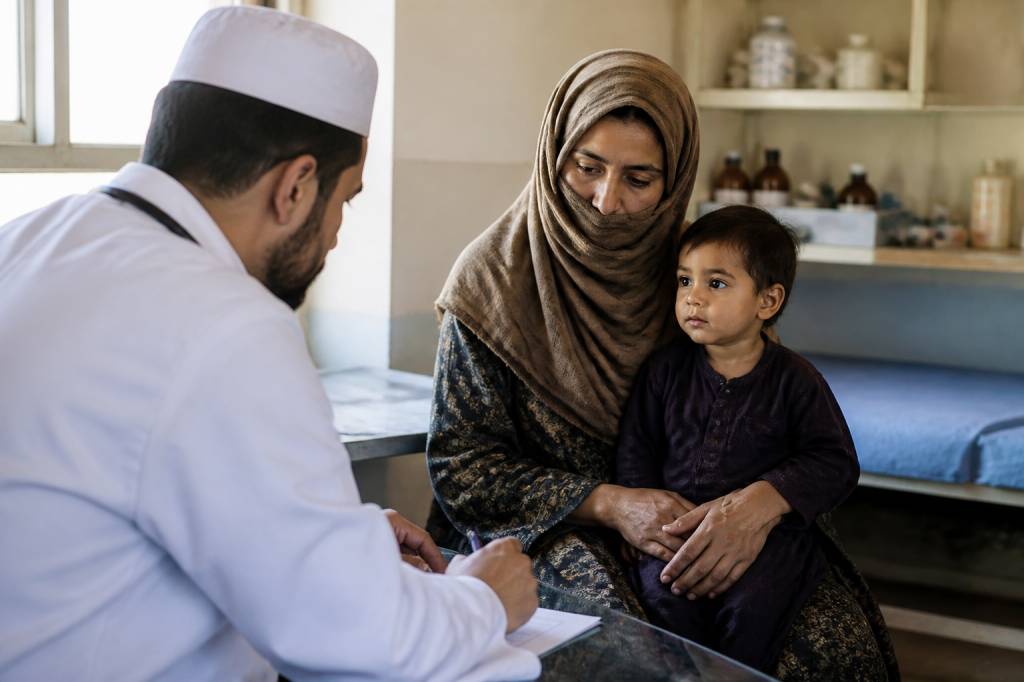
The journey toward a longer life begins before birth. Pregnant women in Afghanistan may face anemia, inadequate food, limited prenatal care, or long distances to a health facility. In rural areas, reaching a clinic can involve hours of travel over difficult terrain. During labor, that delay can mean the difference between a manageable complication and a tragedy.
Skilled birth attendants, emergency obstetric care, and transportation are essential. So are basic services that may seem simple: blood pressure checks, treatment for infections, iron and folic acid supplements, and advice on nutrition. A clinic does not need to look technologically impressive to save lives. A trained midwife, essential medicines, clean equipment, and a dependable referral system can be transformative.
Newborns are particularly vulnerable to prematurity, birth complications, infections, and low birth weight. After birth, breastfeeding support, vaccination, and prompt treatment for diarrhea or pneumonia are critical. In a household without safe water or enough food, a common childhood illness can become much more dangerous.
Improving child survival has a double benefit. It protects families from preventable loss and raises overall life expectancy. It also gives children a healthier foundation for education, work, and adult life.
Infectious diseases and the daily importance of clean water
Clean water is one of the most powerful forms of preventive medicine. When drinking water is contaminated, diarrhea, cholera, typhoid, hepatitis, and other illnesses can spread quickly. Children lose fluids and nutrients, and repeated infections can impair growth and weaken the immune system.
Afghanistan’s water challenges are intensified by drought, damaged infrastructure, poverty, and population displacement. Some families rely on unsafe wells, seasonal streams, water tankers, or sources located far from home. Women and children often carry the greatest burden of collecting water, leaving less time for school, paid work, or rest.
Sanitation matters just as much. Without functioning toilets and systems for safely managing waste, pathogens can move from human waste into soil, water, food, and household surfaces. Handwashing with soap is highly effective, but it cannot compensate for a missing water network or a community without adequate sanitation.
- Protecting wells and water points from contamination.
- Using household water treatment when supplies are unsafe.
- Expanding latrines and safe waste disposal.
- Maintaining vaccination coverage, including against diseases that can cause severe childhood illness.
- Ensuring that local clinics have antibiotics, oral rehydration salts, and diagnostic support.
These measures are not glamorous, but public health rarely depends on glamour. It depends on reliable systems that work on an ordinary Tuesday.
Malnutrition, food insecurity, and the climate connection
Food insecurity is one of the most important factors affecting health in Afghanistan. Drought, conflict, rising prices, unemployment, and disrupted agriculture can all reduce access to nutritious food. A family may have enough calories to survive while still lacking protein, iron, vitamin A, or other essential nutrients.
Malnutrition is especially dangerous for pregnant women and young children. Severe acute malnutrition can become life-threatening without treatment. Chronic undernutrition can restrict physical growth, affect learning, and increase vulnerability to infections for years. The body’s defenses are not independent of the kitchen table.
Climate change makes this situation more difficult. Afghanistan is highly exposed to drought, heat, floods, and unpredictable rainfall. A dry season can reduce harvests and livestock production. Then, when intense rain finally arrives, flash floods may destroy homes, roads, crops, and water infrastructure. The same community can experience water scarcity and destructive flooding within a short period.
Climate pressures also affect disease patterns. Warmer conditions and changing water systems may influence the spread of infectious diseases, while heat can worsen dehydration, cardiovascular stress, and kidney problems. People who work outdoors, older adults, pregnant women, and those with chronic illnesses are particularly vulnerable.
Conflict and the geography of access
Conflict affects life expectancy both directly and indirectly. Injuries and deaths are the most visible consequences, but the wider health effects are often less immediate. Violence can damage hospitals, interrupt vaccination campaigns, displace families, and make roads unsafe for patients and medical workers.
A person with appendicitis, a complicated pregnancy, or a serious infection may need urgent treatment. If a road is blocked, transport is unaffordable, or a health facility has closed, distance becomes a medical risk. Afghanistan’s mountainous landscape already makes access difficult; insecurity and poor infrastructure add further barriers.
Displaced families often face crowded living conditions, limited privacy, poor sanitation, and uncertain access to food. They may move several times, losing medical records and continuity of care. Children can miss vaccinations, while people with diabetes, hypertension, epilepsy, or mental health conditions may go without regular treatment.
Health services also depend on health workers. Doctors, nurses, midwives, community health workers, and laboratory staff need safe workplaces, regular salaries, training, and supplies. Supporting them is not an optional investment. They are the bridge between national health policy and the person waiting outside a rural clinic.
Women’s health and the wider social environment
Women’s health has a direct influence on family and community health. When women can access prenatal care, skilled birth services, nutrition, education, and contraception, maternal and child outcomes improve. Families are better able to plan pregnancies and seek help early when complications appear.
Barriers to women’s healthcare may include distance, cost, insecurity, shortages of female health workers, social restrictions, and limited decision-making power within households. These barriers can delay care even when a clinic technically exists.
Education is also a health intervention. A woman who can read health information may be better positioned to understand vaccination schedules, recognize danger signs during pregnancy, use oral rehydration treatment, or seek care for a sick child. Education does not replace medical services, but it helps people use those services effectively.
Small changes can carry significant consequences. Knowing that a newborn who is not breathing normally needs immediate attention, or that persistent diarrhea requires urgent rehydration and medical advice, may save a life. Public health information works best when it is culturally appropriate, available in local languages, and delivered through trusted community networks.
Mental health in a country under prolonged strain
Life expectancy statistics rarely capture psychological suffering. Yet prolonged exposure to violence, displacement, bereavement, poverty, and uncertainty can lead to depression, anxiety, post-traumatic stress, and sleep disorders. Children may experience fear, interrupted schooling, and the emotional effects of losing their homes or family members.
Mental health is connected to physical health. People living with severe distress may struggle to eat, sleep, care for children, or seek treatment for other illnesses. Chronic stress can also worsen existing medical conditions. In Afghanistan, mental health services remain limited, particularly outside major cities, and stigma can prevent people from asking for help.
Community-based support can make a difference. Trained counselors, primary-care workers, women’s support groups, school-based programs, and confidential referral systems can bring assistance closer to families. Mental healthcare should not be treated as a luxury reserved for wealthy health systems. When daily life is shaped by crisis, it becomes part of essential care.
Pollution, indoor smoke, and environmental health risks
Air pollution is another factor that can quietly shorten lives. In cities, traffic, dust, construction, waste burning, and small industrial activities contribute to poor air quality. In rural and urban homes alike, cooking or heating with solid fuels in poorly ventilated spaces can expose families to smoke.
Indoor air pollution is associated with respiratory infections in children and chronic lung and cardiovascular disease in adults. Women and children may receive the highest exposure because they spend more time near cooking areas. Cleaner stoves, improved ventilation, safer fuels, and better building design can reduce this risk.
Dust storms and extreme dryness may aggravate asthma and other respiratory conditions. Climate change can intensify these hazards, especially where healthcare access is limited. Environmental health therefore belongs at the center of public health planning, not at the edge of it.
What can improve Afghanistan’s health outlook?
There is no single solution to Afghanistan’s life expectancy challenge. Progress requires coordinated action across healthcare, water, food systems, education, infrastructure, and climate resilience.
- Protect and finance primary healthcare, especially in rural and underserved districts.
- Maintain vaccination programs and strengthen disease surveillance.
- Expand maternal, newborn, and child health services, including trained midwives and emergency referrals.
- Invest in safe water, sanitation, hygiene, and climate-resilient infrastructure.
- Improve nutrition programs for pregnant women, infants, and children.
- Support local health workers with training, payment, supplies, and safe working conditions.
- Develop drought-resistant agriculture, reliable food assistance, and sustainable water management.
- Integrate mental health support into community and primary-care services.
- Reduce household and outdoor air pollution through cleaner energy and better ventilation.
- Collect accurate, transparent health data so resources reach the communities facing the greatest risks.
These priorities are closely linked. A solar-powered water pump can improve hygiene, reduce the time spent collecting water, and support a health facility during power cuts. A functioning rural road can help farmers reach markets and allow a pregnant woman to reach emergency care. A school can provide education, vaccination access, and a safer place for children during a crisis.
A longer and healthier future is built locally
Afghanistan’s life expectancy is shaped by national events, but health improvements are often built through local relationships. A community health worker who visits a household, a midwife who stays through a difficult night, a teacher who shares accurate health information, and a family that protects a water source all contribute to longer lives.
The country faces immense challenges, from conflict and poverty to drought and a changing climate. Still, the health equation is not fixed. Preventable deaths can be reduced when essential services are dependable, communities are involved, and environmental risks are addressed alongside medical needs.
Behind every statistic is a person: a child recovering from pneumonia, a mother traveling for prenatal care, a farmer watching the sky for rain, or an older adult trying to breathe through a dusty afternoon. Understanding Afghanistan’s life expectancy means seeing these lived realities—and recognizing that better health begins wherever people are given the tools, safety, and support to protect one another.