
3 harmful effects of heat on human health
3 harmful effects of heat on human health
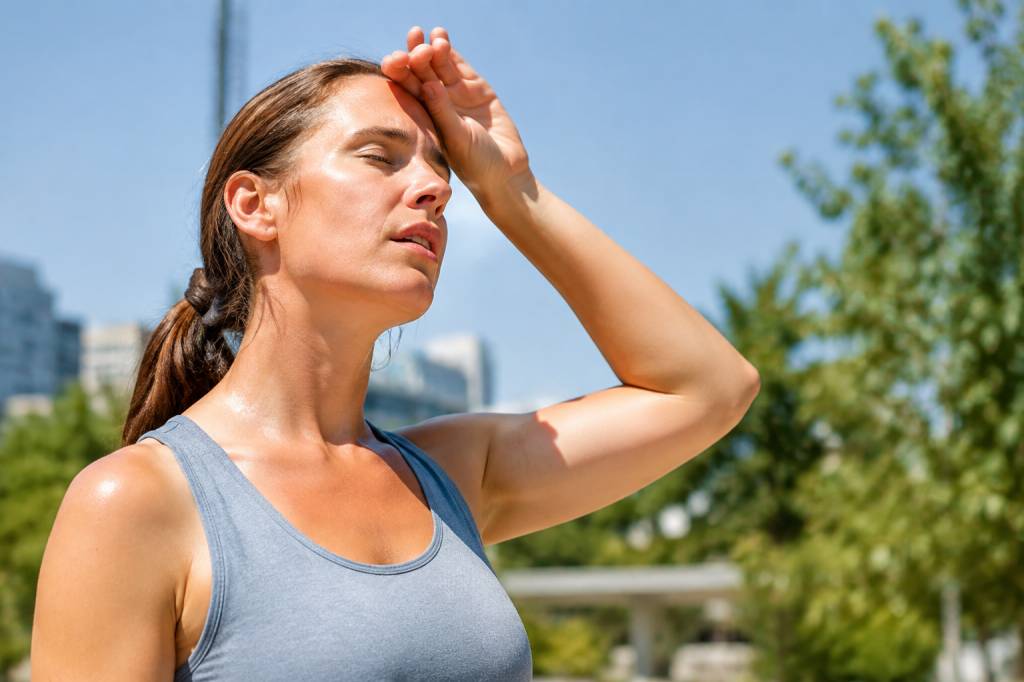
On a hot day, the first signs of stress can seem harmless: a heavy forehead, damp clothes, a little fatigue after walking outside. We open a window, reach for a cold drink and carry on. Yet extreme heat is not simply uncomfortable weather. It is a serious public health risk that can affect the heart, brain, kidneys and mental well-being—sometimes within a matter of hours.
As global temperatures rise, heatwaves are becoming more frequent, longer and more intense in many regions. Cities can be especially vulnerable: asphalt, concrete and buildings absorb heat during the day and release it slowly at night. This “urban heat island” effect means that a warm evening may offer little relief, particularly for people living in poorly ventilated homes.
Understanding how heat affects the body is one of the simplest ways to protect ourselves and the people around us. Here are three major harmful effects of excessive heat, along with practical steps to reduce the risks.
Heat forces the body and heart to work harder
The human body normally maintains an internal temperature close to 37°C. To cool itself, it sends more blood toward the skin and produces sweat. When sweat evaporates, it carries heat away from the body. This elegant system works well in moderate conditions, but it has limits.
During a heatwave, the body must pump more blood to the skin while also maintaining circulation to vital organs. The heart beats faster, blood vessels widen and blood pressure can change. For a healthy adult, this may cause tiredness, dizziness or a pounding heartbeat. For someone with cardiovascular disease, however, the additional workload can become dangerous.
Extreme heat is associated with a higher risk of cardiovascular events, including heart attacks and strokes. People with heart failure, coronary artery disease or high blood pressure may be particularly vulnerable. Some medications also influence the body’s ability to respond to heat. Diuretics, for example, increase urine production and may contribute to dehydration. Certain drugs can affect sweating, blood pressure or kidney function.
Imagine an older neighbour spending an afternoon in a small apartment on the top floor of a building. The room is warm, the air is still and the person takes medication for hypertension. Even without strenuous exercise, their heart may be working significantly harder to release excess heat. This is why heat-related illness does not affect only athletes, outdoor workers or people who deliberately spend hours in the sun.
Heat can also worsen respiratory problems. Hot air often contains higher levels of ground-level ozone and other pollutants, especially during periods of strong sunlight. Ozone can irritate the airways, making breathing more difficult for people with asthma or chronic lung disease. Wildfire smoke, increasingly common in some regions during hot and dry weather, adds another layer of risk.
Warning signs of heat-related cardiovascular stress include:
- Unusual weakness or extreme fatigue
- Dizziness, faintness or confusion
- A rapid or irregular heartbeat
- Chest pain or pressure
- Shortness of breath
- Cold, pale or clammy skin despite high temperatures
Chest pain, severe breathing difficulties, fainting or confusion require urgent medical attention. Heat should never be dismissed as “just a hot day” when someone’s behaviour or physical condition changes suddenly.
Dehydration can damage the kidneys and disrupt the whole body
Sweating is essential for cooling, but it also means losing water and electrolytes such as sodium and potassium. If these losses are not replaced, dehydration develops. At first, the signs may be easy to overlook: thirst, a dry mouth, headache or darker urine. As dehydration progresses, the body becomes less able to regulate temperature and maintain normal circulation.
The kidneys are particularly sensitive to fluid loss. Their job is to filter the blood and regulate the body’s water and mineral balance. When dehydration reduces blood flow to the kidneys, they have to work under greater pressure. Severe or repeated dehydration can lead to acute kidney injury. For people who already have kidney disease, the danger is even greater.
Heat exposure has also been linked to an increased risk of kidney problems among workers who perform strenuous physical tasks in hot environments. Agricultural workers, construction crews, delivery drivers and emergency responders may spend many hours outdoors, often wearing protective clothing or working under direct sunlight. Their risk is not limited to dramatic heatwaves. Repeated exposure to heat, combined with physical exertion, can gradually strain the kidneys.
Young children and older adults may not recognize thirst quickly enough. Older people can also have a reduced sense of thirst or mobility limitations that make it difficult to get a drink. A person living alone may become seriously dehydrated before anyone notices.
Dehydration affects more than the kidneys. It can cause muscle cramps, constipation, headaches and a drop in concentration. As blood volume decreases, the brain may receive less oxygen and nutrients, leading to irritability, confusion or fainting. In extreme cases, dehydration contributes to heat exhaustion and heatstroke.
To reduce the risk of dehydration during hot weather:
- Drink regularly rather than waiting until you feel very thirsty.
- Keep water within easy reach at home, at work and during travel.
- Eat water-rich foods such as fruit, vegetables, soups and yoghurt.
- Replace lost electrolytes after prolonged sweating or intense exercise, following medical advice when necessary.
- Limit alcohol, since it can increase fluid loss and impair judgement.
- Take regular breaks in a cool or shaded place when working outdoors.
There is no universal rule that everyone must drink exactly the same amount of water. Needs vary according to body size, activity, health conditions, diet and temperature. The practical message is simple: drink consistently, pay attention to your body and take heat warnings seriously.
Heat can injure the brain and affect mental well-being
The brain is highly sensitive to changes in body temperature. When the body becomes overheated, cognitive performance can decline. Reaction times become slower, attention is harder to maintain and decision-making can suffer. This matters on a busy road, at a construction site or while caring for a child. Heat does not merely make us uncomfortable; it can make everyday mistakes more likely.
Heat exhaustion is an important warning stage. It may cause heavy sweating, weakness, nausea, headache, dizziness and a fast pulse. A person experiencing these symptoms should stop activity, move to a cooler location, loosen unnecessary clothing and drink fluids if they are alert and able to swallow. Cooling the skin with wet cloths, a fan or a cool shower can also help.
Heatstroke is far more dangerous. It occurs when the body’s temperature regulation system fails, and core temperature can rise rapidly. Signs may include confusion, unusual behaviour, loss of consciousness, seizures or very hot skin. Sweating may continue, although the old idea that a person with heatstroke always has dry skin is inaccurate. Heatstroke is a medical emergency. Call emergency services immediately and begin active cooling while waiting for help.
The brain can also be affected indirectly through poor sleep. Hot nights make it difficult to fall asleep and reduce the quality of rest. After several nights of insufficient sleep, concentration, mood and immune function may deteriorate. For someone already dealing with anxiety, depression or another mental health condition, persistent heat can increase emotional strain.
Research has found associations between high temperatures and increased irritability, psychological distress and certain mental health emergencies. Several explanations may be involved: disrupted sleep, physical discomfort, dehydration, changes in medication effectiveness and the social stress of losing access to safe, cool spaces. People taking medication for psychiatric conditions should ask a healthcare professional whether their treatment affects sensitivity to heat. They should not stop or alter medication without medical advice.
Heat can also amplify social inequalities. A person with a garden, air conditioning and flexible working hours has more options than someone living in a crowded flat, working outside or unable to afford higher electricity bills. In this way, heat becomes not only an environmental issue but also a public health and social justice issue.
Who faces the greatest risk?
Anyone can suffer from dangerous heat, but some people need additional protection. Higher-risk groups include:
- Babies and young children
- Older adults, especially those living alone
- People with heart, lung or kidney disease
- Individuals with diabetes or mobility limitations
- People taking medicines that affect sweating, blood pressure or fluid balance
- Outdoor workers, athletes and emergency responders
- People experiencing homelessness or living in poorly insulated housing
- Individuals who are pregnant
Checking on vulnerable relatives, friends and neighbours can make a real difference. A short phone call can reveal that someone’s home is dangerously hot or that they have not been drinking enough. Community cooling centres, libraries and shaded public spaces can provide relief for people without effective cooling at home.
Practical ways to stay safer during a heatwave
Start by checking the forecast and local heat-health advice. Plan demanding activities for the coolest part of the day, usually early morning or evening. Avoid intense exercise in direct sunlight when temperatures are high. Wear loose, light-coloured clothing, a wide-brimmed hat and sunglasses when outside.
Keep indoor spaces as cool as possible. Close blinds or curtains during the hottest hours, open windows when the outdoor air becomes cooler and use fans to improve circulation. If indoor temperatures remain dangerously high, spend several hours in an air-conditioned or otherwise cooler public building.
Never leave a child, older person or pet inside a parked vehicle. Temperatures inside a car can rise rapidly, even when the windows are slightly open and the outside weather does not feel extreme.
Pay attention to early symptoms in yourself and others. Headache, dizziness, nausea, unusual tiredness and muscle cramps are signals to slow down and cool off. Confusion, collapse, seizures or severe breathing problems demand immediate medical help.
Turning heat awareness into everyday resilience
Protecting health during extreme heat is not only about individual behaviour. Cities and communities also need more trees, shaded streets, reflective roofs, reliable public transport, well-insulated homes and accessible cooling spaces. Green areas can reduce local temperatures while offering places to rest and recover. Better building design can lower indoor heat without increasing energy consumption excessively.
On a personal level, a simple heat plan can help: identify the coolest room in your home, keep extra water available, list people who may need a check-in and know where to seek medical help. A few minutes of preparation can prevent a dangerous situation later.
Heat is a natural part of life, but extreme heat is not something the body can simply “get used to” without limits. By recognizing the strain it places on the heart, kidneys and brain, we can respond earlier and protect those most at risk. On the hottest days, staying cool is not a luxury. It is a practical act of health care—for ourselves, our families and our communities.