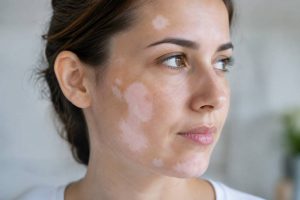
White patches on face: causes, symptoms and treatment options
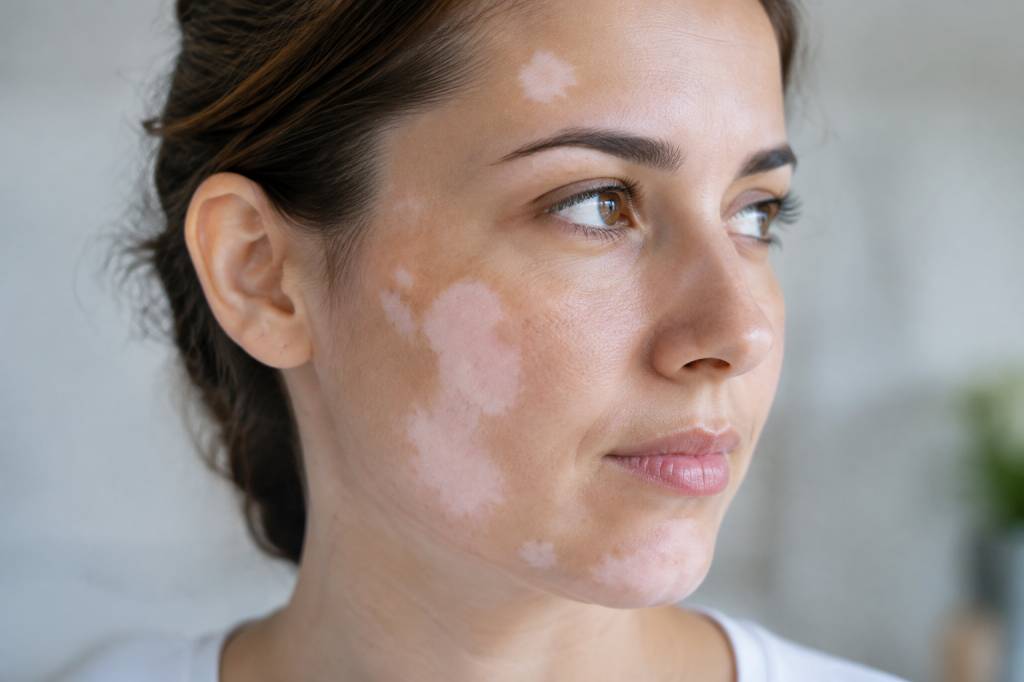
White patches on face: causes, symptoms and treatment options
Noticing white patches on your face can be unsettling. You may first blame a new skincare product, a forgotten day in the sun, or something more serious. Sometimes the cause is minor and temporary. In other cases, the change in skin color points to a condition that deserves medical attention.
White or lighter patches are not all the same. Their shape, texture, location, duration, and associated symptoms can provide important clues. The skin may be completely smooth, slightly scaly, itchy, or sharply different from the surrounding area. Understanding these differences is the first step toward choosing the right treatment—and avoiding remedies that could make the problem worse.
What do white patches on the face mean?
White patches usually appear when an area of skin produces less melanin, the natural pigment responsible for skin color. This change is called hypopigmentation when the skin is lighter than usual, and depigmentation when pigment is almost entirely absent.
Several factors can affect melanin production:
- Inflammation or irritation of the skin
- Fungal or viral infections
- Autoimmune reactions
- Previous injuries, burns, or acne
- Sun exposure that makes surrounding skin darker
- Inherited skin conditions
- Use of certain medications or cosmetic products
A patch that looks white in winter may become more noticeable in summer because the unaffected skin tans. In other words, the sun does not always create the patch; it can simply highlight a difference that was already there.
Common causes of white patches
Pityriasis alba
Pityriasis alba is a common and generally harmless condition, particularly among children and teenagers. It often appears as round or irregular pale patches on the cheeks, chin, or around the mouth. The surface may feel slightly dry or show fine scaling, especially after sun exposure or during colder months.
The exact cause is not fully understood, but dry skin, mild inflammation, and ultraviolet exposure may all play a role. The patches are not contagious and usually fade gradually over several months, although they can return.
Regular moisturizing and daily sunscreen are often helpful. A healthcare professional may recommend a mild anti-inflammatory cream for a short period if the skin is irritated or itchy.
Tinea versicolor
Tinea versicolor is a superficial fungal infection caused by an overgrowth of a yeast that normally lives on the skin. Although it is more common on the chest, back, shoulders, and neck, it can sometimes affect the face.
The patches may be lighter, darker, pink, or tan depending on the person’s natural skin tone. Fine scaling may become visible if you gently scratch the area. Mild itching is possible, particularly in warm or humid conditions.
This condition is not a sign of poor hygiene. Heat, sweating, oily skin, hormonal changes, and a humid environment can encourage yeast growth. Treatment usually involves an antifungal cream, lotion, or medicated shampoo. Even after the fungus is controlled, the skin may take weeks or months to regain its usual color.
Because fungal rashes can resemble eczema or other pigment disorders, it is wise to confirm the diagnosis before applying treatment. Using a steroid cream alone, for example, can sometimes disguise or worsen a fungal infection.
Vitiligo
Vitiligo occurs when the cells that produce melanin are damaged or destroyed. It can cause sharply defined milky-white patches on the face, hands, lips, or other parts of the body. The patches are usually smooth and do not scale. Hair growing within the affected area may also turn white.
Vitiligo is considered an autoimmune condition. It is not contagious, not caused by poor hygiene, and not the result of emotional weakness. Stress may be reported as a trigger by some people, but the condition is biologically complex and should not be reduced to “just stress.”
A dermatologist can examine the patches, sometimes using a special ultraviolet lamp called a Wood’s lamp. Treatment options may include topical corticosteroids, calcineurin inhibitors, phototherapy, or other approaches depending on the extent and location of the condition. Some people choose treatment to restore pigment; others focus on sun protection and cosmetic camouflage.
Vitiligo can also be associated with other autoimmune conditions, including thyroid disorders. A clinician may recommend additional assessment when appropriate.
Post-inflammatory hypopigmentation
Sometimes a pale patch appears after the skin has healed from inflammation or injury. Eczema, acne, insect bites, burns, aggressive exfoliation, laser procedures, or a rash can temporarily disrupt pigment production.
This is known as post-inflammatory hypopigmentation. The area is often lighter rather than completely white, and its edges may be less defined than those of vitiligo. Color typically returns gradually as the skin recovers, although this may take several months.
Gentle skincare is important during this phase. Scrubbing, strong acids, essential oils, or repeated bleaching products can prolong irritation and delay repigmentation.
Contact dermatitis and skincare reactions
A new cleanser, fragrance, sunscreen, hair product, or cosmetic can trigger contact dermatitis. The usual symptoms are redness, itching, burning, dryness, or swelling, but the inflammation that follows may leave lighter areas behind—especially in medium to dark skin tones.
Think back to recent changes in your routine. Did the patch appear after trying a new serum? Did a hair product run onto the forehead or cheeks? Did a strongly scented product become part of your morning ritual? Temporarily stopping suspected products and seeking medical advice can help identify the cause.
Less common causes
Other conditions can produce pale facial patches, including certain birthmarks, genetic disorders, nutritional deficiencies, and rare infections. Some medications may also affect pigmentation. A patch that is persistent, spreading, painful, or associated with other symptoms deserves professional evaluation rather than guesswork.
Symptoms that help distinguish the causes
Appearance alone cannot provide a definite diagnosis, but certain features are useful clues:
- Fine scaling or dryness: often seen with pityriasis alba or fungal infections.
- Sharp, milky-white borders: may suggest vitiligo.
- Itching or burning: can occur with eczema, contact dermatitis, or infection.
- Recent rash, acne, or injury: points toward post-inflammatory changes.
- White hairs within the patch: may occur with vitiligo.
- Gradual spreading: should be assessed by a dermatologist.
- Changes in nails, eyes, or other body areas: should be mentioned during a medical appointment.
Do not rely on color alone. The same condition can look different depending on natural skin tone, lighting, recent sun exposure, and camera settings. Bathroom lighting is not exactly a dermatology laboratory.
When should you see a healthcare professional?
Arrange an appointment with a doctor or dermatologist if the patches persist for several weeks, continue to spread, or repeatedly return. Professional advice is also important when the skin is completely depigmented, when several body areas are affected, or when there is significant itching, pain, swelling, or scaling.
Seek medical care promptly if the patches appear with symptoms such as:
- Rapid changes in pigmentation
- Eye pain, vision changes, or unusual light sensitivity
- White patches inside the mouth
- Hair turning white in the affected area
- Signs of infection, such as pus, warmth, or increasing tenderness
- Unexplained weight changes, fatigue, or other symptoms of a possible thyroid problem
A clinician may inspect the skin under magnification or ultraviolet light, gently collect a skin sample, or perform tests when a fungal infection or autoimmune condition is suspected. These steps are usually straightforward and can prevent months of unsuitable self-treatment.
Treatment options depend on the cause
There is no single cream that treats every white facial patch. Treatment should target the underlying problem.
- For dry or mildly inflamed patches: use a fragrance-free moisturizer and avoid harsh cleansers. A doctor may suggest a short course of a mild topical medication.
- For fungal infections: antifungal creams, lotions, or medicated washes are commonly prescribed or recommended. Follow the instructions for the full duration, even if the patch improves quickly.
- For vitiligo: options may include prescription anti-inflammatory creams, non-steroid immunomodulating creams, light therapy, or specialist treatments. Results vary and often take time.
- For post-inflammatory hypopigmentation: treating the original inflammation and protecting the skin from ultraviolet radiation may allow natural color to return.
- For product-related irritation: stop the suspected irritant and simplify your routine while the skin heals.
Do not apply strong corticosteroids, bleaching agents, lemon juice, vinegar, or concentrated essential oils to a facial patch without medical guidance. “Natural” does not automatically mean gentle. Lemon juice, for example, can irritate skin and increase sensitivity to sunlight, potentially causing a darker mark or a burn.
Sun protection is part of treatment
Daily sun protection helps reduce the contrast between the patch and surrounding skin. It also protects areas with reduced melanin, which are more vulnerable to sunburn.
Choose a broad-spectrum sunscreen with an SPF of at least 30. Apply it generously to the face and reapply when outdoors for extended periods, sweating, or swimming. Hats, shade, and avoiding intense midday sunlight add useful protection.
Sun protection is relevant beyond appearance. Repeated ultraviolet exposure contributes to premature skin aging and increases skin cancer risk. A simple morning habit can therefore support both cosmetic comfort and long-term health.
Simple daily habits that support healthier skin
While waiting for a diagnosis or treatment to work, keep your routine calm and consistent:
- Wash with lukewarm water and a gentle, fragrance-free cleanser.
- Moisturize after cleansing, especially during cold or dry weather.
- Avoid scrubbing, picking, and abrasive facial tools.
- Introduce new skincare products one at a time.
- Check whether hair products or cosmetics touch the affected area.
- Use clean towels and avoid sharing personal skincare items if an infection is suspected.
- Take photographs in similar lighting to monitor changes over time.
Diet is important for overall health, but taking high-dose vitamins without testing is rarely the answer. Nutritional deficiencies can affect skin, yet supplements should be used when a healthcare professional identifies a genuine need.
Living comfortably with visible skin changes
Facial changes can affect confidence even when the condition is medically harmless. A person may avoid photographs, social events, or outdoor activities because they worry others are staring. This emotional impact is real and deserves attention.
Camouflage makeup, tinted sunscreen, or a carefully chosen concealer can help while treatment takes effect. Products labeled non-comedogenic and fragrance-free are often better tolerated, but patch-test new cosmetics on a small area first.
Most importantly, remember that a white patch is not a reflection of cleanliness, lifestyle, or personal worth. Skin is a living organ, not a perfectly uniform surface. It responds to inflammation, sunlight, climate, hormones, genetics, and countless everyday exposures.
If a pale patch is new or changing, do not panic—but do not ignore it indefinitely either. Observe its texture and symptoms, protect the area from the sun, avoid aggressive home remedies, and seek a professional assessment when the cause is uncertain. The right diagnosis makes treatment more precise and gives your skin the best chance to recover.