Rosemary tea benefits: 7 science-backed effects on health and wellness
Rosemary tea benefits: 7 science-backed effects on health and wellness
On a cool morning, a cup of rosemary tea can feel like a small ritual: fragrant, warming, and pleasantly familiar. Rosemary is often associated with roasted vegetables and Mediterranean landscapes, but this aromatic herb has also attracted scientific interest for its potential effects on the brain, digestion, circulation, and overall well-being.
Still, a useful distinction matters. Most research has examined rosemary extracts, essential oils, or concentrated preparations—not always the mild infusion in your kitchen mug. Tea may contain beneficial compounds, but usually in smaller amounts. Think of it as a gentle addition to a healthy lifestyle, not a replacement for medical care or prescribed treatment.
Here are seven rosemary tea benefits supported by emerging scientific evidence, along with practical advice for enjoying this herbal drink safely.
Rosemary’s health-promoting compounds
Rosemary (Salvia rosmarinus) contains several bioactive compounds, including rosmarinic acid, carnosic acid, carnosol, and various volatile oils. These substances have antioxidant and anti-inflammatory properties in laboratory studies.
Antioxidants help protect cells from oxidative stress, a process linked with ageing and several chronic conditions. Inflammation, meanwhile, is a normal part of the immune response—but persistent, low-grade inflammation can contribute to cardiovascular disease, metabolic disorders, and other health problems.
When rosemary leaves are steeped in hot water, some water-soluble compounds enter the infusion. However, the exact concentration depends on the amount of herb used, steeping time, freshness, and preparation method. A cup of tea is not chemically identical to a rosemary extract, and that difference is important when interpreting research.
1. It may support memory and mental alertness
Rosemary has a long history in traditional herbal practices as a plant associated with remembrance. Modern research offers a possible scientific explanation, although the evidence remains preliminary.
Some small human studies have found that exposure to rosemary aroma or consumption of rosemary preparations may influence memory, attention, or mental performance. Researchers have focused on compounds such as 1,8-cineole, a naturally occurring component of rosemary’s aroma. This compound may affect brain activity and neurotransmitter systems involved in alertness.
In practical terms, rosemary tea may be a pleasant choice during a mid-afternoon slump—especially when it replaces a sugary drink. The warmth, hydration, and distinctive aroma may also help create a focused pause in a busy day.
That said, drinking rosemary tea has not been proven to prevent dementia or significantly improve long-term memory. A cup can accompany healthy habits such as regular movement, adequate sleep, social connection, and a diet rich in vegetables, legumes, nuts, and whole grains. It cannot do all the work alone—herbs are helpful companions, not miracle workers.
2. It provides antioxidant compounds
Rosemary is rich in plant compounds that can act as antioxidants. Rosmarinic acid and carnosic acid are particularly interesting because laboratory research suggests they may help neutralize free radicals and protect cells from oxidative damage.
Oxidative stress occurs naturally as the body produces energy. Environmental pollution, smoking, excessive alcohol consumption, poor sleep, and chronic psychological stress can increase the burden. A diet containing a variety of fruits, vegetables, herbs, and spices helps supply antioxidant compounds from many sources.
Rosemary tea can contribute to that pattern. It is naturally calorie-free when consumed without sugar or honey, making it a useful alternative to sweetened beverages. Swapping one sugary drink for unsweetened herbal tea may have a more meaningful health effect over time than focusing on a single “superfood.”
Researchers are still determining how much of rosemary’s antioxidant compounds are absorbed after drinking the tea and how strongly they affect human health. Antioxidant activity measured in a laboratory does not automatically translate into disease prevention in people. The broader dietary pattern remains the most reliable foundation.
3. It may help calm mild digestive discomfort
Across Mediterranean traditions, rosemary has been used after meals to support digestion. Its aromatic oils may stimulate digestive secretions and influence the movement of the gastrointestinal tract. Preliminary research also suggests that rosemary compounds may have antispasmodic and anti-inflammatory effects.
For some people, a warm cup may ease the sensation of fullness, occasional gas, or mild post-meal discomfort. The liquid itself can be soothing, particularly when consumed slowly rather than alongside a large meal.
However, persistent bloating, abdominal pain, vomiting, blood in the stool, unexplained weight loss, or continuing changes in bowel habits require medical attention. Herbal tea should not be used to mask symptoms that might signal a gastrointestinal condition.
If you are prone to acid reflux, pay attention to your own response. Herbs and aromatic drinks affect people differently. Stop drinking rosemary tea if it consistently worsens heartburn, nausea, or stomach irritation.
4. It may support healthy blood sugar regulation
Laboratory and animal studies suggest that rosemary extracts may influence glucose metabolism and insulin-related pathways. Certain compounds appear to affect enzymes involved in carbohydrate digestion and cellular responses to insulin.
These findings are promising, but human evidence is still limited—and concentrated extracts cannot be treated as equivalent to a cup of tea. Rosemary tea may fit comfortably into a balanced eating pattern, especially when it replaces sweetened beverages, but it should not be presented as a treatment for diabetes.
People taking insulin or blood-sugar-lowering medication should be cautious with large amounts of rosemary or concentrated supplements. Combining several glucose-lowering approaches without medical guidance could increase the risk of hypoglycemia.
For everyday wellness, the most dependable strategies remain familiar ones: regular physical activity, sufficient sleep, high-fiber foods, and appropriate medical monitoring. Rosemary can add flavour to the routine, but it does not rewrite the rules of metabolism.
5. It may contribute to cardiovascular wellness
Rosemary contains anti-inflammatory and antioxidant compounds that researchers are investigating for their possible effects on blood vessels, cholesterol metabolism, and cardiovascular health. Some experimental studies suggest that rosemary extracts may help reduce oxidative changes associated with low-density lipoprotein, commonly called LDL cholesterol.
This does not mean rosemary tea can lower cholesterol in the same way as prescribed medication. Human studies on ordinary rosemary tea are too limited to support that claim. Nevertheless, drinking it unsweetened may support heart health indirectly when it replaces drinks high in added sugar.
There is also a lifestyle benefit in the ritual itself. Preparing tea can encourage a slower moment in the day, and regular pauses may help reduce reliance on highly caffeinated or sugary beverages. Cardiovascular health is shaped by thousands of daily choices—not one dramatic ingredient.
If you have high blood pressure, heart disease, or take medication affecting blood clotting, discuss frequent use of herbal products with a healthcare professional. Food amounts are generally different from concentrated capsules or extracts, but individual circumstances matter.
6. It may have mild anti-inflammatory properties
Chronic inflammation is involved in many health conditions, from metabolic disease to some forms of cardiovascular illness. Rosemary’s rosmarinic acid, carnosic acid, and carnosol have shown anti-inflammatory activity in laboratory and animal research.
These compounds may influence signalling molecules involved in the inflammatory response. The findings help explain why rosemary is being studied in the context of brain health, digestive function, and metabolic wellness.
But “anti-inflammatory” is not a free pass to treat a painful joint or ongoing fatigue with tea alone. Inflammation has many causes, and symptoms such as persistent swelling, fever, morning stiffness, or unexplained pain deserve proper assessment.
The practical takeaway is modest but useful: rosemary tea can be part of an eating pattern rich in herbs, spices, beans, vegetables, fruit, olive oil, and whole grains. This Mediterranean-style approach has far stronger evidence for long-term health than any individual herb.
7. It may support scalp and hair health
Rosemary is often discussed in relation to hair growth. A clinical study comparing rosemary oil with a commonly used hair-loss treatment found improvement in hair count over several months, with both groups showing benefits. Rosemary oil also caused less scalp itching in that research.
That study involved a topical oil—not rosemary tea. Drinking the infusion should not be expected to produce the same effect. Still, the research has encouraged further investigation into rosemary’s possible influence on scalp circulation, inflammation, and hair follicles.
Anyone experiencing sudden, patchy, or significant hair loss should seek medical advice. Hair changes may be linked to thyroid disorders, nutritional deficiencies, hormonal shifts, medication, autoimmune conditions, or prolonged stress. A fragrant cup of tea is pleasant; it is not a diagnostic tool.
How to prepare rosemary tea
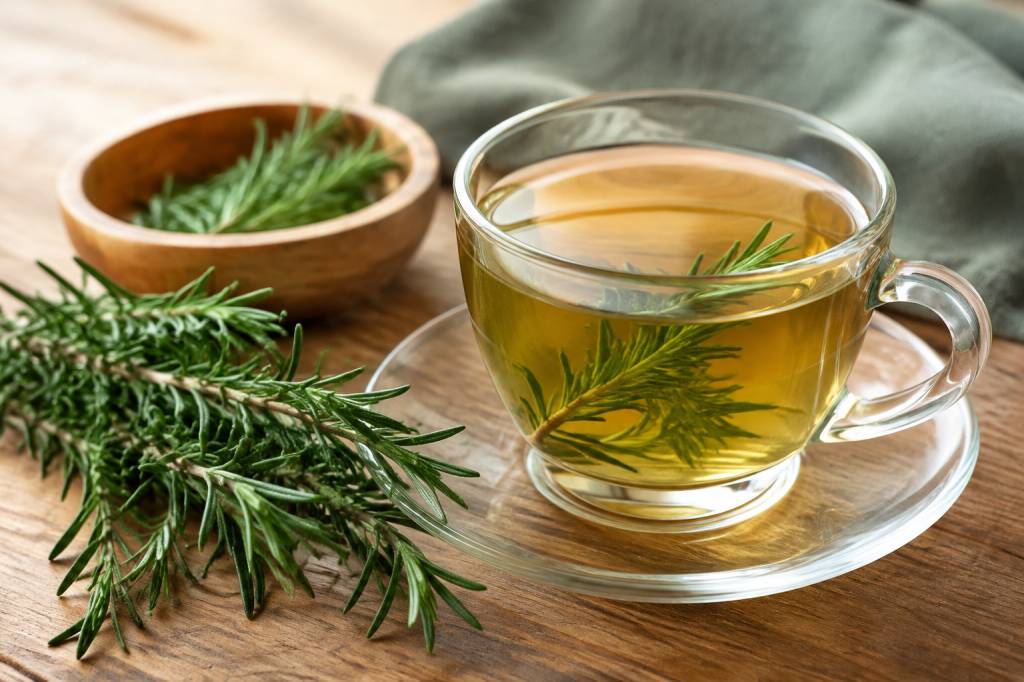
For a simple infusion, place one teaspoon of dried rosemary leaves—or one small fresh sprig—in a cup of hot water. Cover and steep for around five to ten minutes, then strain. The covered cup helps preserve some of the volatile aromatic compounds that would otherwise escape with the steam.
- Start with a mild infusion to see how your body responds.
- Drink it plain, or add a slice of lemon for brightness.
- Use honey sparingly if you want sweetness.
- Choose culinary-grade rosemary from a reliable source.
- Avoid ingesting rosemary essential oil; it is highly concentrated and not the same as tea.
One cup occasionally or daily is generally well tolerated by healthy adults when prepared at normal culinary strength. More is not necessarily better. Very strong infusions and supplements can expose the body to much higher concentrations than a traditional cup.
Who should be cautious?
Rosemary in food amounts is considered safe for most people, but medicinal quantities may not be appropriate for everyone. Pregnant or breastfeeding people should consult a healthcare professional before consuming concentrated rosemary preparations. Individuals with epilepsy or a history of seizures should also seek advice, as concentrated essential oils may affect the nervous system.
Extra caution is sensible if you take anticoagulants, diabetes medication, blood-pressure medication, diuretics, or lithium. Rosemary supplements may interact with medicines, and product quality can vary. If you are preparing for surgery, mention regular herbal use to your medical team.
Stop using rosemary tea if you develop an allergic reaction, severe stomach upset, dizziness, or other unusual symptoms. A healthcare professional can help distinguish a harmless sensitivity from a potentially important reaction.
A small ritual with realistic expectations
Rosemary tea offers an appealing combination of aroma, hydration, and plant compounds with plausible benefits for antioxidant protection, digestion, mental alertness, and metabolic wellness. Scientific research is encouraging, but much of it involves extracts, laboratory models, or small human studies. More research is needed to determine what a regular cup can achieve over months and years.
The best way to enjoy it is as part of a wider health routine: move your body, eat a varied diet, sleep consistently, spend time outdoors when possible, and seek medical advice when symptoms persist. Let rosemary bring a little Mediterranean warmth to your day—but let evidence, not marketing, set your expectations.