
Accessibility medical: improving access to inclusive healthcare for all
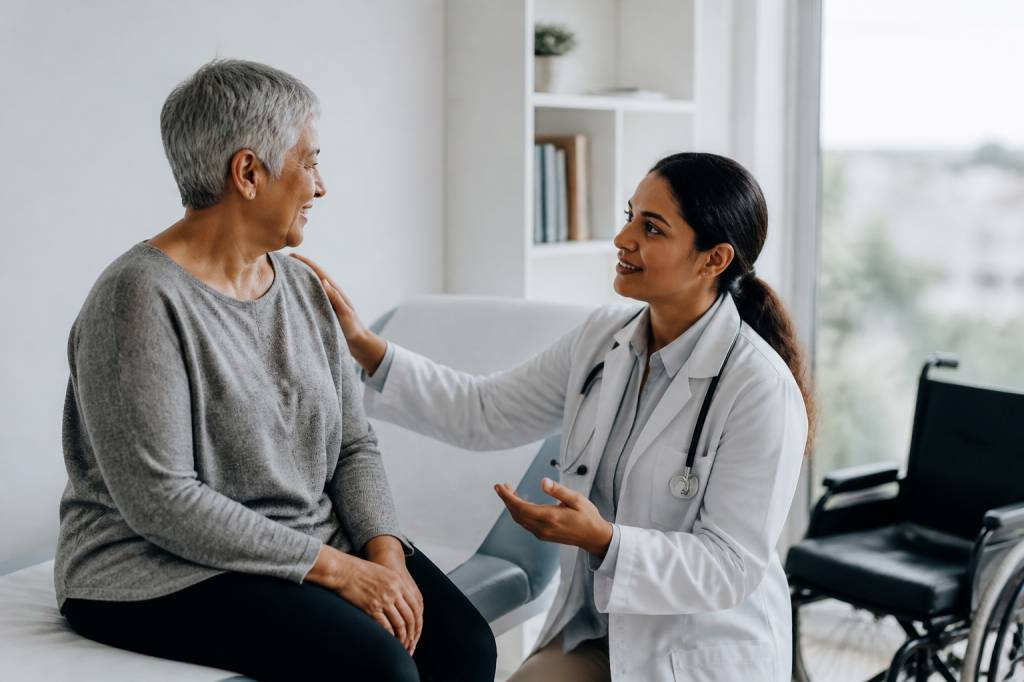
Accessibility medical: improving access to inclusive healthcare for all
For many people, seeing a doctor sounds simple: make an appointment, travel to the clinic, describe the problem, and receive care. Yet this apparently ordinary journey can become an obstacle course for millions of patients. A broken lift, a website that cannot be used with a screen reader, an interpreter who is unavailable, or a consultation fee that arrives like an unpleasant surprise can all stand between a person and the healthcare they need.
Medical accessibility is not a specialist concern reserved for disability advocates. It is a public health priority that affects older adults, people with chronic illnesses, pregnant patients, rural communities, migrants, low-income families, and anyone who may temporarily lose mobility or independence. Inclusive healthcare means designing services so that people can access, understand, afford, and use them with dignity.
Healthcare should not feel like a test that patients must pass before they are allowed to receive help. The responsibility belongs to health systems, professionals, policymakers, and communities to remove unnecessary barriers.
What does medical accessibility really mean?
Medical accessibility is often associated with wheelchair ramps and accessible toilets. These features are essential, but they represent only one part of a much broader picture. An accessible healthcare system addresses physical, sensory, communication, financial, geographical, cultural, and digital barriers.
A patient may face several challenges at the same time. Imagine an older woman living in a remote village. She has arthritis, limited internet access, and no car. The nearest specialist is two hours away, the clinic’s booking system is difficult to navigate, and public transport does not operate on the day of her appointment. The clinic may technically be “open to everyone,” but access remains out of reach.
Inclusive care asks a more useful question than “Can patients enter the building?” It asks: Can every patient reach the service, communicate with professionals, understand their options, pay for treatment, and participate in decisions about their health?
The many barriers patients encounter
Barriers to healthcare are rarely isolated. They often overlap, creating a chain of difficulties that can delay diagnosis and worsen health outcomes.
- Physical barriers: stairs without an alternative route, narrow doorways, heavy doors, inaccessible examination tables, poor lighting, or a lack of suitable seating.
- Communication barriers: no sign-language interpreter, limited information in alternative formats, medical jargon, or a lack of translation services.
- Digital barriers: online forms that do not work with assistive technology, videos without captions, inaccessible mobile applications, or appointment systems that assume every patient is digitally confident.
- Financial barriers: consultation fees, prescription costs, transport expenses, childcare, unpaid time away from work, and unexpected bills.
- Geographical barriers: long distances to hospitals, limited public transport, shortages of specialists, and poor broadband coverage in rural communities.
- Cultural and social barriers: discrimination, mistrust, language differences, stigma, and care that does not respect a patient’s beliefs or identity.
These obstacles can discourage people from seeking help until symptoms become severe. A person who has repeatedly experienced inaccessible care may reasonably decide that another appointment is not worth the effort. That is not a failure of motivation. It is often a predictable response to a system that has failed to accommodate real lives.
Physical access is the foundation, not the finish line
A healthcare facility cannot be inclusive if patients cannot enter it safely. Accessible design should cover the entire journey, from the pavement outside to the examination room.
Ramps with a safe gradient, automatic doors, elevators, accessible parking, clear signs, and toilets designed for different mobility needs are basic requirements. But practical details matter too. Is the reception desk usable by someone sitting in a wheelchair? Can a patient with limited balance sit while waiting? Is there enough space for a mobility scooter or a guide dog?
Examination equipment also deserves attention. Adjustable-height examination tables, accessible scales, transfer aids, and appropriate seating allow professionals to provide safer and more accurate care. Without them, patients may be weighed incorrectly, examined in uncomfortable positions, or excluded from routine assessments.
Accessibility should be checked regularly rather than assumed after a building receives approval. People with disabilities should be involved in audits and renovations because lived experience can reveal problems that a blueprint misses. A door may technically be wide enough, for example, yet difficult to open while using a walking aid.
Communication is part of treatment
Good healthcare depends on clear communication. Patients need to explain symptoms, understand diagnoses, ask questions, and make informed choices. When communication fails, safety suffers.
People who are deaf or hard of hearing may need sign-language interpretation, captioning, written communication, or assistive listening systems. Blind and partially sighted patients may require large-print documents, audio information, Braille, or digital files compatible with screen readers. People with learning disabilities or cognitive impairments may benefit from plain language, visual explanations, additional time, and support from a trusted person.
Language access is equally important. Relying on a child or a relative to interpret sensitive medical information can compromise privacy and accuracy. Professional interpreters help ensure that consent is meaningful and that symptoms, allergies, risks, and treatment instructions are understood correctly.
Healthcare professionals do not need to remove every technical term from medicine, but they do need to explain those terms. Asking a patient to repeat the instructions in their own words can reveal misunderstandings without making the conversation feel like an examination. The simple question “What questions do you still have?” is often more welcoming than “Do you understand?”
Digital healthcare: opportunity and new risk
Telemedicine, online booking, electronic prescriptions, and health applications can make care more convenient. For someone with limited mobility, a video consultation may eliminate a difficult journey. For a parent caring for a child, online access can save valuable time.
However, digital healthcare is only inclusive when it is designed for everyone. Websites should work with screen readers, keyboard navigation, voice control, and screen magnification. Videos need accurate captions, while instructions should use readable fonts, strong colour contrast, and straightforward language.
Not every patient has a fast internet connection, a private room, a modern smartphone, or confidence with online forms. Digital services should therefore complement, not automatically replace, telephone and in-person options. A patient should never be forced to use an app to obtain essential care.
Health providers can improve digital inclusion by offering accessible platforms, telephone support, public computer access, and help from trained staff. Digital literacy programmes in libraries, community centres, and clinics can also help people gain confidence without blaming them for being left behind by technology.
Affordability and transport are health issues
A medical service may be physically accessible yet financially impossible to use. The real cost of an appointment includes more than the consultation itself. Patients may need to pay for transport, parking, medication, equipment, childcare, or time away from work.
These costs can lead people to postpone preventive care and routine monitoring. A missed check-up may later become an emergency visit, which is more stressful for the patient and more expensive for the health system. Affordable healthcare is therefore not only a matter of fairness; it is also a practical investment in public health.
Transport planning deserves similar attention. Mobile clinics, community health centres, transport vouchers, home visits, and partnerships with local organisations can bring services closer to underserved populations. In rural areas, combining telemedicine with periodic in-person clinics may reduce long journeys while preserving the physical examinations that technology cannot replace.
Training professionals to provide respectful care
Accessible buildings and technologies cannot compensate for disrespectful treatment. Some patients with disabilities report that professionals speak to a companion instead of speaking directly to them, assume that a disability explains every symptom, or fail to take pain seriously. Others encounter stigma related to weight, age, mental health, poverty, gender identity, or substance use.
Training should address disability awareness, communication, cultural humility, unconscious bias, and the different ways conditions may appear. It should also teach practical skills: how to communicate with a person using an interpreter, how to assist with transfers safely, and how to adapt a consultation for someone with sensory sensitivities.
Respect does not mean treating every patient identically. Equality offers the same approach to everyone; equity provides the support each person needs to achieve a fair opportunity for good health. One patient may need extra consultation time, another may need a quiet waiting area, and another may require written instructions in a different language. These adaptations are not special favours. They are tools for safe care.
Designing services with patients, not only for them
The people most affected by inaccessible healthcare should have a meaningful role in improving it. Patient advisory groups, accessibility reviews, community consultations, and feedback systems can reveal barriers that administrators may not see.
Participation must go beyond asking for opinions after decisions have already been made. Patients should be involved early, when services are being designed, budgets are being allocated, and technology is being selected. A disability organisation may identify an inaccessible registration process before it is launched. A migrant community may explain why a clinic’s information campaign is not reaching local families. A caregiver may point out that appointment times are impossible for people who provide daily support.
Feedback channels should also be accessible. A complicated online complaint form excludes precisely the people who may need to report a problem. Offering phone, email, paper, text, and in-person options creates a more reliable picture of patient experience.
Small changes can make a measurable difference
Improving accessibility does not always require a major construction project. Some changes are inexpensive but powerful:
- Provide appointment reminders in the patient’s preferred format.
- Allow extra time when communication or mobility support is needed.
- Use plain-language instructions and offer translated materials.
- Make waiting areas quieter and provide clear visual information.
- Ask patients about access needs when they book, rather than making them repeat the request at every visit.
- Keep mobility aids and accessible equipment maintained and available.
- Offer flexible appointment times and reliable telephone alternatives.
- Train reception staff, who are often the first point of contact.
One respectful question can transform an encounter: “What would make this appointment easier and safer for you?” The answer may be simple, but only if someone takes the time to ask.
Why inclusive healthcare benefits everyone
Accessibility improvements are often described as accommodations for a minority, but their benefits spread widely. A ramp helps wheelchair users, parents with strollers, travellers carrying luggage, and anyone recovering from an injury. Captions support deaf patients, people learning a language, and anyone watching a health video in a noisy environment. Clear instructions help people with cognitive disabilities and also help busy patients who are anxious or overwhelmed.
Inclusive healthcare can reduce missed appointments, improve treatment adherence, support earlier diagnosis, and strengthen trust in public health services. It also reflects a basic principle: health is not only about what happens inside the body. It is shaped by housing, transport, income, social support, education, and the environments in which people live.
When a clinic becomes easier to reach, understand, and use, the whole community becomes more resilient. In a changing world marked by ageing populations, climate-related disruptions, infectious disease threats, and growing chronic illness, resilience is not a luxury. It is part of preparedness.
A more humane path to better health
Inclusive medical access begins with infrastructure, but it grows through empathy, accountability, and good design. It means noticing the patient who cannot climb the stairs, the parent who cannot afford another bus journey, the newcomer who cannot understand a form, and the person who has stopped asking for help because previous experiences were humiliating.
Health systems do not become accessible through a single policy or a one-time renovation. Progress comes from continuous listening, practical investment, professional training, and the willingness to measure what patients actually experience.
The goal is straightforward: no one should have to overcome avoidable barriers before receiving care. When healthcare welcomes different bodies, languages, abilities, incomes, and ways of living, it becomes not only more inclusive but more effective, more preventive, and more human for everyone.