Ageing society definition: understanding demographic change and its impact on health
Ageing society definition: understanding demographic change and its impact on health
Imagine a village where the school bus passes fewer houses each year, while the local pharmacy becomes busier. The playground is quieter, but the community clinic is receiving more visitors. This is not a fictional scene in many parts of the world. It is one of the everyday faces of an ageing society.
An ageing society is not simply a society with “more old people.” It describes a long-term demographic change in which older adults represent a growing share of the population. This shift affects health services, family life, housing, employment, transport, and the way communities respond to environmental risks.
Understanding population ageing matters because it is one of the defining public health stories of our time. It also invites a more useful question than “How can we care for more older people?” We should ask: How can we create healthier places where people can live well at every age?
What does an ageing society mean?
A population is generally described as ageing when the proportion of people aged 65 and over increases. Some researchers and institutions also focus on the growth of the “oldest old,” often people aged 80 or 85 and above, because this group is more likely to need support with complex health conditions.
Population ageing is measured in several ways. The most familiar indicator is the percentage of older adults in the total population. Another is the old-age dependency ratio, which compares the number of people above a traditional retirement age with the number of working-age adults. This ratio can help governments plan pensions, healthcare, and social services, although it has limitations. A 70-year-old who is active and working is not necessarily “dependent,” while a younger person may live with a disability or chronic illness.
Ageing is therefore more than a number. It is a transformation in the age structure of society. In an ageing population, there may be fewer children and young adults, a larger generation of older residents, and a higher average age overall.
Why are populations ageing?
Three demographic forces usually work together: people are living longer, birth rates are falling, and large generations are moving into older age.
Improvements in sanitation, vaccination, nutrition, medical treatment, and living conditions have increased life expectancy in many countries. Diseases that once caused early death can now be prevented or managed. A person who reaches 65 today may expect many additional years of life, although the number of healthy years varies considerably between countries and social groups.
At the same time, families are having fewer children. Access to education, contraception, employment, and healthcare has changed family planning. In urban areas, the cost of housing and childcare can also influence decisions about having children. When fewer babies are born and people live longer, older adults naturally make up a larger proportion of the population.
Migration can accelerate these changes. Young adults may leave rural regions for cities or move abroad for study and work. The communities they leave behind can lose part of their working-age population, while older residents remain. This can create a quiet but serious challenge: the people most in need of local services may be living in places with fewer doctors, buses, shops, and caregivers.
Ageing is not the same as poor health
One of the most important distinctions in this discussion is the difference between lifespan and healthspan. Lifespan refers to how long we live. Healthspan refers to how many of those years we spend in good physical, mental, and social health.
Growing older is not a disease. Many older adults remain physically active, socially connected, and independent well into their seventies, eighties, and beyond. They care for grandchildren, volunteer, work, create art, grow food, and contribute practical knowledge to their communities. The image of old age as a period of inevitable decline is both inaccurate and damaging.
However, the risk of certain chronic conditions increases with age. These may include cardiovascular disease, cancer, type 2 diabetes, arthritis, osteoporosis, hearing loss, visual impairment, dementia, and depression. Many people live with more than one condition at the same time, a situation known as multimorbidity.
The experience of ageing depends on much more than biology. Income, housing, education, social relationships, access to nutritious food, exposure to pollution, and opportunities for physical activity all shape health in later life. Two people of the same age can have dramatically different levels of independence because they have lived in different environments.
How an ageing society changes healthcare
Health systems designed mainly to treat short-term infections or isolated injuries may struggle when more people require long-term support. Ageing populations often increase demand for primary care, medication management, rehabilitation, home nursing, mental health services, and palliative care.
Hospitals remain essential, but they cannot solve every problem. Many older adults would benefit more from regular support close to home than from repeated emergency visits. A fall, for example, may begin with poor lighting, an unsafe bathroom, weak muscles, or a medication side effect. Treating the fracture is important. Preventing the next fall may be even more valuable.
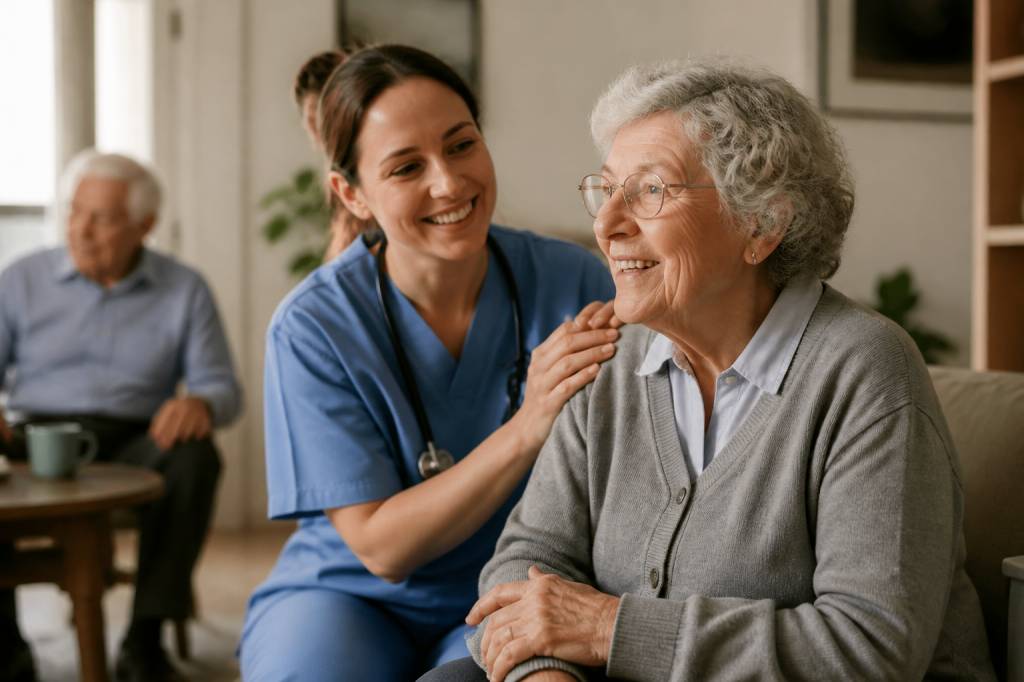
Integrated care can help. Instead of separating medical treatment from social support, integrated systems connect general practitioners, nurses, pharmacists, physiotherapists, social workers, and community organisations. This approach can reduce duplication and help patients navigate a healthcare system that sometimes feels like a maze designed by someone who dislikes maps.
Prevention also becomes increasingly important. Effective measures include:
- Regular blood pressure, cholesterol, diabetes, and cancer screening where appropriate.
- Vaccination against influenza, COVID-19, pneumonia, shingles, and other preventable illnesses.
- Strength and balance exercises to reduce falls and preserve mobility.
- Medication reviews, particularly when several prescriptions are involved.
- Early support for hearing, vision, dental health, and mental wellbeing.
- Social programmes that reduce loneliness and maintain meaningful connections.
The hidden health risk: loneliness
Living longer does not automatically mean living connected. Retirement, bereavement, reduced mobility, migration of younger family members, and chronic illness can all shrink a person’s social world.
Loneliness is not simply a feeling of being alone. Persistent loneliness is associated with stress, depression, sleep problems, reduced physical activity, and poorer overall health. An older person who stops attending community activities because the bus service is unreliable may gradually lose both social contact and access to exercise.
Small changes can make a real difference. Libraries, community gardens, walking groups, shared meals, intergenerational projects, and accessible cultural activities create opportunities for contact without turning social life into a medical prescription. A friendly neighbour checking in during a heatwave can sometimes be as important as a sophisticated health app.
Ageing societies and environmental health risks
Environmental conditions can affect older adults more severely than younger people. Age-related changes in the body may reduce the ability to regulate temperature, recover from dehydration, or compensate for breathing polluted air. Existing heart and lung conditions can increase vulnerability further.
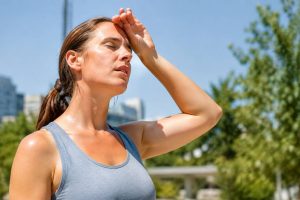
Extreme heat is a clear example. During a heatwave, an older person living alone in a poorly insulated flat may face several risks at once: high indoor temperatures, limited mobility, difficulty obtaining water, and no one nearby to notice early signs of confusion or weakness. Heat can worsen cardiovascular disease, kidney problems, and respiratory illness. Some medications may also affect hydration or the body’s response to heat, making medical advice especially important.
Air pollution presents another concern. Fine particles from traffic, heating, industry, and wildfires can enter deep into the lungs and contribute to cardiovascular and respiratory problems. Older adults who already have asthma, chronic obstructive pulmonary disease, or heart disease may be particularly affected during pollution episodes.
Climate change can intensify these pressures through heatwaves, floods, storms, wildfire smoke, food insecurity, and disruptions to healthcare. A community with a large older population needs climate adaptation plans that are practical, local, and inclusive. Warning messages must reach people without smartphones. Cooling centres need accessible transport. Emergency shelters must account for medication, mobility aids, oxygen equipment, and dementia care.
Designing age-friendly communities
Healthcare is only one part of healthy ageing. The places where people live often determine whether they can remain active and independent.
An age-friendly community does not resemble a retirement island. It is a place where people of different ages can move safely, access essential services, and participate in public life. This may include:
- Well-maintained pavements, safe crossings, benches, shade, and accessible public toilets.
- Reliable public transport with clear information and low-floor vehicles.
- Affordable, energy-efficient homes that reduce cold, heat, and excessive energy bills.
- Shops, clinics, parks, and community facilities within reasonable reach.
- Street lighting that improves safety without creating excessive glare.
- Digital services that are useful but never the only way to access support.
These improvements benefit far more than older adults. Parents pushing prams, people with temporary injuries, wheelchair users, children walking to school, and anyone carrying groceries all gain from better pavements and accessible transport. Universal design is often presented as a specialist idea, but its practical result is simple: everyday life becomes easier for everyone.
The role of housing and energy
Housing deserves particular attention because people spend more time at home as they grow older. Dampness, mould, poor insulation, cold rooms, and excessive heat can worsen respiratory and cardiovascular health. At the same time, rising energy costs may force households to choose between heating and other essentials.
Improving insulation, ventilation, shading, and energy efficiency can support both public health and climate goals. However, renovations must be planned carefully. A building that is sealed without adequate ventilation may create indoor air quality problems. Older residents should also receive clear information about how to use new heating, cooling, or ventilation systems.
Simple design choices matter too: a bedroom on the ground floor, a bathroom with grab rails, non-slip flooring, and good lighting can help someone remain at home safely instead of moving prematurely into residential care.
Rethinking work, care, and generations
An ageing society also changes the world of work. Many people now remain employed beyond traditional retirement age, whether by choice or financial necessity. Flexible schedules, ergonomic workplaces, age-inclusive recruitment, and opportunities to update skills can help people stay productive without sacrificing health.
Caregiving is another major issue. Adult children may support ageing parents while raising their own families and working full-time. This “sandwich generation” can experience financial pressure, exhaustion, and emotional strain. Respite services, paid care leave, home support, and accessible day programmes can protect both caregivers and the people they support.
Intergenerational cooperation offers a more hopeful perspective. Older adults bring experience, memory, and practical skills. Younger people may offer digital knowledge, physical assistance, and new ideas. Projects that bring generations together—such as community gardens, repair workshops, mentoring, or shared housing—can reduce isolation and challenge stereotypes on both sides.
What can individuals do?
Demographic change is shaped by public policy, but personal choices still matter. Healthy ageing begins long before old age, with habits that protect mobility, mental health, and social connection.
- Build strength and balance through regular, appropriate physical activity.
- Eat a varied diet rich in vegetables, fruit, legumes, whole grains, and adequate protein.
- Protect sleep and seek help for persistent insomnia or low mood.
- Keep vaccinations, health checks, dental care, hearing tests, and vision checks up to date.
- Maintain friendships and ask for support before a small difficulty becomes a crisis.
- Prepare for heatwaves, storms, power cuts, and poor air quality.
- Make homes safer by improving lighting, reducing trip hazards, and checking heating and ventilation.
Just as importantly, we can all help build healthier communities. Offer a lift to a medical appointment. Check on a neighbour during extreme weather. Support accessible public spaces. Listen to older people when planning local services rather than designing for them from a distance.
Preparing for a longer, healthier future
An ageing society is often discussed as a burden, but that language hides an important opportunity. Longer lives represent the progress of public health, science, and social development. The challenge is to ensure that added years are not simply years added to illness or isolation.
The healthiest response combines good medical care with clean air, safe housing, reliable transport, social connection, climate preparedness, and respect for individual choice. It recognises that older adults are not one uniform group and that health inequalities accumulated across a lifetime do not disappear at retirement.
When communities are designed for people at every stage of life, ageing becomes less a crisis to manage and more a reality to support. The result is not only better care for older adults. It is a safer, greener, more connected environment for all of us—because, if we are fortunate, each of us is travelling in that direction.