
Ageing demographics: health challenges and sustainable solutions for an older population
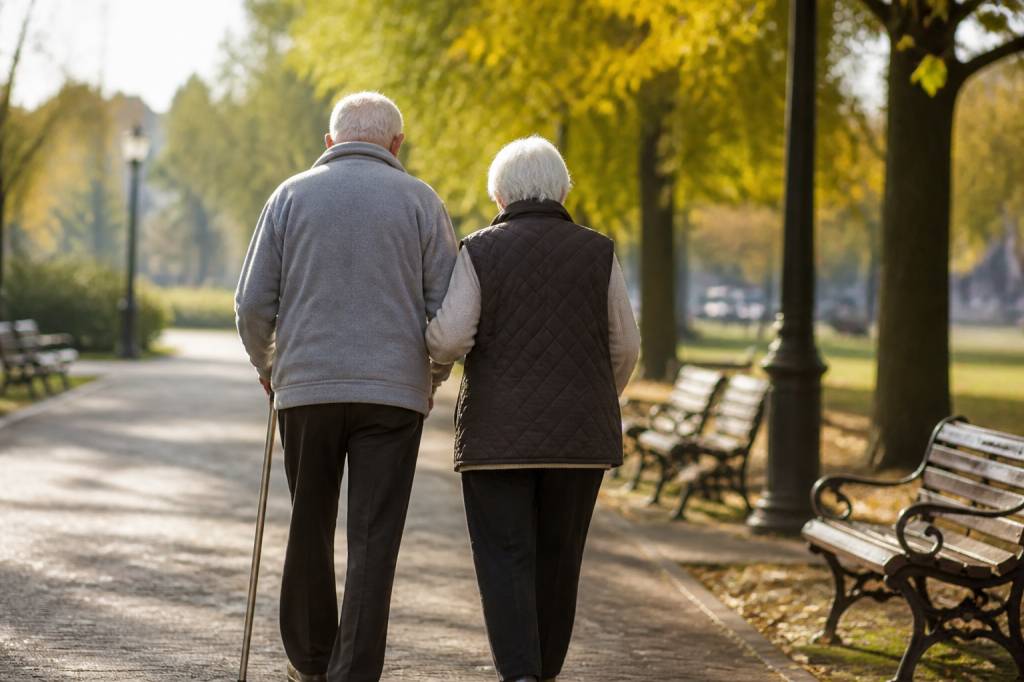
Ageing demographics: health challenges and sustainable solutions for an older population
In many parts of the world, the future is getting older. Longer lives are one of humanity’s greatest achievements, made possible by better nutrition, safer working conditions, vaccination, medical advances and improved public health. Yet ageing demographics also bring new challenges. How can societies support more older adults while protecting the health of the planet that sustains us?
This question is not only about hospitals, pensions or care homes. It reaches into the design of our cities, the energy used to heat homes, the food on our plates and the way communities respond to extreme weather. An ageing population can be more vulnerable to environmental risks, but older people can also play an important role in building healthier and more sustainable communities.
A world with more older adults
Population ageing is taking place across the globe, although at different speeds. According to the United Nations, the number of people aged 60 and over is expected to rise substantially during the coming decades. By the middle of the century, older adults will represent a much larger share of the world’s population than they do today.
This shift reflects a welcome reality: people are living longer. But longevity does not always mean healthy longevity. Many older adults live with one or more chronic conditions, such as cardiovascular disease, diabetes, arthritis, respiratory illness or dementia. These conditions can increase sensitivity to environmental hazards and make recovery from illness more difficult.
Consider a typical summer heatwave. A healthy young adult may feel exhausted after spending an afternoon in a hot flat and recover after drinking water and resting. An older person taking medication for heart disease, living alone and lacking air conditioning may face a much more serious risk. Heat can worsen existing conditions, interfere with the body’s ability to regulate temperature and contribute to dehydration, confusion and hospitalisation.
Why ageing increases environmental health risks
Ageing affects the body in several ways that can make environmental pressures harder to withstand. The immune system may become less responsive, lung capacity may decline and the kidneys may be less efficient at balancing fluids. Vision, hearing, mobility and memory can also change, affecting a person’s ability to recognise danger or respond quickly.
Several environmental threats deserve particular attention:
- Extreme heat: Older adults are more likely to experience heat exhaustion, heatstroke and complications affecting the heart, kidneys and lungs.
- Air pollution: Fine particles from traffic, industry and wildfires can aggravate asthma, chronic obstructive pulmonary disease and cardiovascular conditions.
- Extreme cold: Poor insulation, high energy prices and reduced mobility can leave older people vulnerable to hypothermia and respiratory infections.
- Floods and storms: Evacuating may be difficult for people with mobility limitations, sensory impairments or complex medical needs.
- Unsafe housing: Damp, mould, excessive heat and poor ventilation can affect respiratory health and overall wellbeing.
- Noise and isolation: Persistent noise can disturb sleep, while social isolation may increase the health impact of emergencies and everyday stress.
The risk is rarely caused by age alone. It is shaped by income, housing quality, access to transport, social connections and the availability of healthcare. This is why ageing and environmental health must be approached through the lens of equity.
Climate change and the health of older populations
Climate change is amplifying many of the hazards that already affect older adults. Heatwaves are becoming more frequent or intense in many regions. Wildfires can send smoke across entire countries. Heavy rainfall can overwhelm drainage systems and interrupt access to medication, food and medical appointments.
During a heatwave, certain medications can complicate the body’s response to high temperatures. Diuretics, for example, may increase the risk of dehydration, while some drugs can affect sweating or blood pressure. This does not mean people should stop taking prescribed medication. It means that individuals, families and healthcare professionals need clear advice before extreme weather arrives.
Simple preparation can make a significant difference:
- Keep a list of medications, medical conditions and emergency contacts in an accessible place.
- Identify the coolest room in the home and check whether fans, shutters or ventilation can be used safely.
- Arrange regular contact with people who live alone during heatwaves, storms or periods of severe air pollution.
- Store drinking water, basic food, phone chargers and essential medical supplies.
- Check local alerts and follow public health guidance, especially when air quality is poor.
Preparedness should not become another burden placed solely on older adults. Public authorities have a responsibility to provide accessible warnings, cooling centres, transport and targeted support. An emergency message that arrives only through a smartphone app will not reach everyone who needs it.
Healthcare systems under pressure
An older population can increase demand for healthcare, particularly for long-term care and the management of chronic conditions. At the same time, healthcare systems contribute to environmental pressures. Hospitals require large amounts of energy, water, equipment and single-use materials. Medicines must be manufactured, transported and stored. Travel to appointments also produces emissions.
The answer is not to reduce necessary care. It is to make care more efficient, preventive and resilient. Primary care can help people manage conditions before they become emergencies. Home-based services and telehealth may reduce travel for suitable patients, provided that digital access and personal support are available. Community nurses, pharmacists and social workers can identify problems early, including heat-related illness, malnutrition, falls and loneliness.
Healthcare facilities themselves can become models of climate resilience by improving insulation, installing renewable energy, reducing waste and developing plans for heatwaves, floods and power failures. A well-designed clinic that stays cool during an extreme heat event is not simply greener; it is safer for patients and staff.
Sustainable housing for healthy ageing
Housing is one of the most important links between sustainability and health. Older adults often spend more time at home than younger people, so the indoor environment has a direct influence on comfort, respiratory health, sleep and independence.
Energy-efficient homes can reduce both emissions and household costs. Insulation, external shading, efficient heating systems and good ventilation help maintain stable indoor temperatures. However, energy upgrades must be designed carefully. A tightly sealed building without adequate ventilation can trap pollutants and moisture, creating new problems such as mould.
Accessible design matters just as much. Step-free entrances, handrails, non-slip flooring, good lighting and bathrooms adapted for reduced mobility can prevent falls and extend the time people are able to live independently. These features benefit everyone, including parents with young children and people recovering from injury. Universal design is a practical form of prevention—not an architectural luxury.
Local governments can support healthier homes through grants, building standards and advice services. Energy renovation programmes should prioritise households with limited income, since those living in inefficient homes are often the most exposed to both fuel poverty and dangerous temperatures.
Greener and more age-friendly cities
A sustainable city should also be an age-friendly city. That means creating neighbourhoods where people can reach shops, healthcare, parks and public transport without needing to drive long distances.
Tree-lined streets and urban parks provide shade, reduce the urban heat island effect and offer places to walk or meet others. Yet green spaces must be accessible. A park with no benches, poor lighting or uneven paths may be beautiful but unusable for someone with arthritis or balance problems. Small details—frequent seating, public toilets, smooth pavements and safe crossings—can transform daily life.
Public transport also requires an age-sensitive approach. Clear signs, low-floor buses, sheltered stops and reliable schedules help older adults remain mobile without depending on a private car. Active travel can be encouraged through safe, gradual routes rather than unrealistic expectations that everyone should become a marathon cyclist overnight.
Neighbourhood planning should include older residents from the beginning. They know which pavements are dangerous, which bus routes are missing and where people naturally gather. Consultation is more useful when it leads to visible changes, rather than becoming a polite meeting followed by silence.
The protective power of social connection
Social isolation is not only an emotional issue. It can affect physical health, cognitive wellbeing and survival during emergencies. A person who lives alone may not have anyone to notice early symptoms of heat exhaustion, bring groceries during a flood or check whether the heating has failed.
Community networks can provide a low-cost, high-impact layer of protection. Neighbours checking on one another, local associations organising phone calls and community centres offering meals or activities can all reduce vulnerability. These networks are especially valuable when formal services are stretched.
Intergenerational programmes offer additional benefits. Older adults may share practical knowledge about repairing, preserving and reusing household items, growing food or coping with limited resources. Younger people may help with digital tools, transport or home maintenance. Sustainability is not a one-way lesson delivered to older generations; it is a conversation between generations.
Older adults as partners in sustainable change
It is easy to describe an ageing population only in terms of dependency and cost. That picture is incomplete. Older adults are consumers, voters, volunteers, carers, workers, educators and community leaders. Many have witnessed profound environmental and social changes during their lifetimes and bring valuable experience to local decision-making.
Older residents can support sustainable living by participating in community gardens, repair cafés, walking groups, local climate initiatives and emergency preparedness programmes. Their involvement also helps ensure that environmental policies remain realistic and inclusive.
However, participation must never be used to replace public responsibility. Asking retirees to volunteer during every crisis is not a substitute for properly funded health and social care. A resilient society combines individual action with strong institutions.
Practical actions for healthier ageing
Individuals, families and communities can take several steps to connect personal wellbeing with environmental sustainability:
- Improve home insulation and ventilation, beginning with rooms used most often.
- Prepare for heatwaves, cold spells, floods and poor air quality before they occur.
- Choose walking, public transport or shared rides when these options are safe and accessible.
- Eat a varied diet rich in vegetables, legumes, whole grains and appropriately sourced proteins.
- Reduce food waste by planning meals, storing food correctly and sharing surplus where possible.
- Maintain social contacts through neighbours, clubs, family networks or community organisations.
- Ask healthcare professionals about managing chronic conditions during extreme weather.
- Support local policies that improve affordable housing, public transport, green spaces and accessible healthcare.
These actions may appear modest, but health is often shaped by repeated daily conditions rather than dramatic single events. A cooler home, a shaded walking route, a reliable neighbour and a nearby clinic can collectively make ageing safer and more dignified.
Building a future where longer lives remain healthier
Population ageing is not a problem to be solved by making older people invisible. It is a chance to rethink what a healthy society looks like. The same measures that protect older adults—clean air, affordable energy, safe streets, efficient healthcare and strong communities—usually improve life for everyone.
The central task is to add healthy years to longer lives while reducing pressure on natural systems. That requires climate-conscious healthcare, age-friendly urban planning, resilient housing and policies that address inequality. It also requires listening to older adults, not simply designing services for them from a distance.
A society that prepares for an ageing population is preparing for its own future. After all, ageing is not a niche experience. It is a journey most of us hope to share. Making that journey healthier, safer and more sustainable is both a public health priority and a meaningful expression of solidarity.