Aging and elderly health: essential tips for healthy living and longevity
Aging and elderly health: essential tips for healthy living and longevity
Growing older is not a disease. It is a natural stage of life—one that can bring wisdom, stronger relationships, and a clearer sense of what truly matters. But healthy aging does require attention. The body changes over time, and everyday habits that once seemed harmless may begin to affect mobility, memory, heart health, sleep, and independence.
The encouraging news is that many influences on healthy aging remain within our reach. A balanced diet, regular movement, meaningful social contact, preventive healthcare, and a safer living environment can all support a longer and more active life. Healthy longevity is not about chasing eternal youth. It is about preserving energy, dignity, confidence, and the ability to enjoy ordinary moments: walking to the market, preparing a favorite meal, or laughing with a friend.
Understanding the changes that come with age
Aging affects everyone differently. Some people remain physically active well into their eighties, while others experience chronic conditions or reduced mobility much earlier. Genetics play a role, but lifestyle, income, housing, access to healthcare, pollution exposure, and social connections also shape the aging process.
Muscle mass and bone density tend to decline with age. Vision and hearing may become less sharp. The immune system can respond more slowly, and the risk of conditions such as heart disease, diabetes, arthritis, osteoporosis, and dementia may increase. These changes are important, but they are not a reason to give up on activity or independence.
In fact, regular movement and good daily routines can help the body adapt. Think of the body as a well-loved home: it may need more maintenance over time, but small repairs and regular care can keep it safe and welcoming.
Make movement part of everyday life
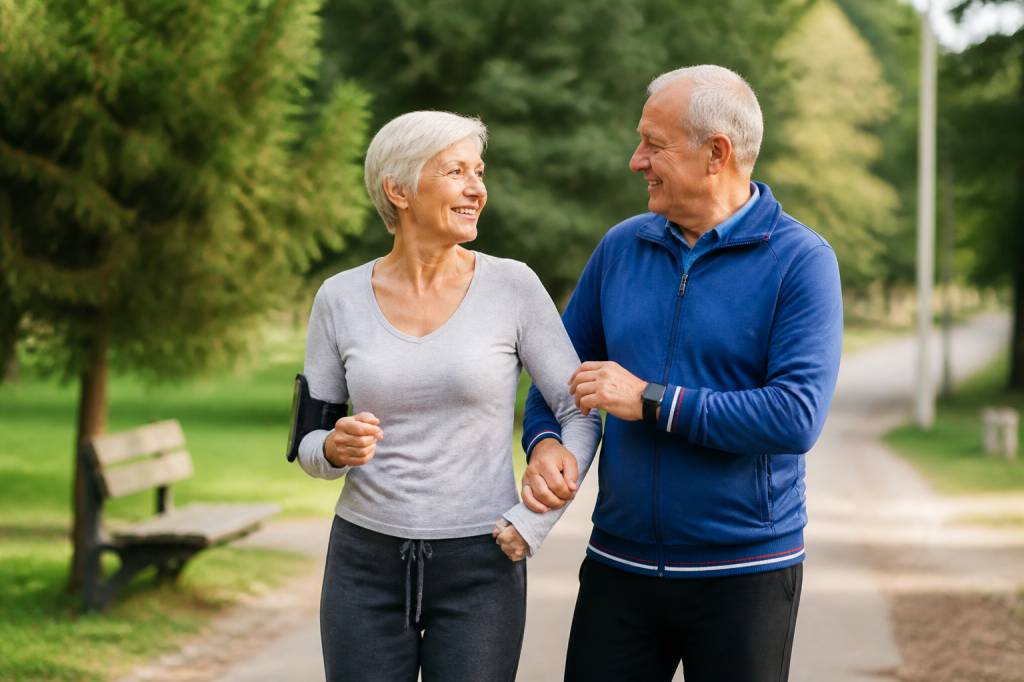
Physical activity is one of the most powerful tools for healthy aging. It supports the heart, strengthens muscles and bones, improves balance, lifts mood, and helps maintain independence. It does not have to involve a gym, expensive equipment, or an ambitious fitness plan.
A brisk walk, gentle cycling, water exercise, dancing in the kitchen, or gardening can all count. The best activity is one that feels manageable and enjoyable enough to repeat. If walking outdoors is difficult, chair exercises, stretching, or supervised strength training can provide valuable benefits.
A well-rounded weekly routine should include several types of movement:
- Aerobic activity: walking, swimming, cycling, or other activities that gently raise the heart rate.
- Strength exercises: resistance bands, light weights, or body-weight movements to protect muscles and bones.
- Balance training: standing on one foot near a stable surface, tai chi, or specific physiotherapy exercises.
- Flexibility work: gentle stretching to support comfortable movement and reduce stiffness.
Anyone with a chronic illness, recent surgery, significant pain, or a history of falls should seek medical advice before starting a new exercise program. The goal is progress, not punishment. Ten minutes today may be more useful than an unrealistic plan abandoned tomorrow.
Protect strength, balance, and independence
Falls are a major health concern among older adults. They can lead to fractures, fear of movement, hospital stays, and a rapid loss of confidence. Preventing falls often begins with simple changes at home.
- Remove loose rugs, clutter, and electrical cords from walkways.
- Install grab bars in bathrooms and handrails on stairs where needed.
- Improve lighting, particularly on staircases and near the bed.
- Wear supportive shoes with non-slip soles.
- Have vision and hearing checked regularly.
- Review medications with a healthcare professional, especially if dizziness or drowsiness occurs.
Strength training is particularly valuable because stronger legs and hips can make it easier to recover from a trip or maintain stability. Balance is not something to take for granted, but neither is it fixed forever. Like any skill, it can be practiced.
Eat for energy, muscles, and immunity
Appetite may decrease with age, while the body still needs high-quality nutrition. Some older adults also face dental problems, difficulty cooking, medication side effects, or limited access to fresh food. These challenges can make unintentional weight loss and nutrient deficiencies more likely.
Healthy meals do not need to be complicated. Aim for a varied pattern that includes vegetables, fruit, beans, lentils, whole grains, nuts, seeds, fish, eggs, and other sources of protein. Protein is especially important for maintaining muscle strength. Including some protein at each meal can be more practical than trying to consume a large amount at dinner.
Calcium and vitamin D support bone health, while fiber helps digestion, blood sugar regulation, and cardiovascular health. Adequate fluids are equally important. Thirst can become less noticeable with age, so waiting until you feel thirsty may not be enough, particularly during hot weather.
Useful everyday choices include:
- Adding beans, eggs, yogurt, fish, or poultry to meals for protein.
- Choosing colorful vegetables and fruits to provide vitamins, minerals, and protective plant compounds.
- Replacing highly processed snacks with nuts, fruit, or whole-grain options.
- Keeping water visible and taking regular drinks throughout the day.
- Discussing supplements with a healthcare professional rather than taking them automatically.
Food is also social. A shared meal can nourish emotional health as much as physical health. If cooking for one feels like a chore, consider preparing larger portions to freeze, joining a community meal, or inviting a neighbor for lunch. A bowl of soup tastes remarkably better when it comes with conversation.
Keep the heart and brain active
Heart health and brain health are closely connected. High blood pressure, diabetes, smoking, physical inactivity, and high cholesterol can damage blood vessels throughout the body, including those that supply the brain. Managing these risks can help protect both cardiovascular function and cognitive health.
Regular medical appointments provide an opportunity to monitor blood pressure, blood sugar, cholesterol, vision, hearing, and other important markers. Follow prescribed treatments carefully, and ask questions if a medication causes side effects or seems difficult to manage. A written medication list can be useful, especially when seeing several healthcare professionals.
Mental stimulation also matters. Reading, learning a language, playing music, doing puzzles, drawing, or exploring a new subject can keep the mind engaged. However, brain health is not about completing endless crossword puzzles while ignoring sleep and social contact. The brain benefits from a complete lifestyle: movement, rest, nourishing food, curiosity, and relationships.
Occasional forgetfulness is common. But sudden confusion, major changes in personality, difficulty managing familiar tasks, or rapidly worsening memory should be discussed with a healthcare professional. Early assessment can identify treatable causes and provide useful support.
Take sleep seriously
Sleep patterns often change with age. Some people wake earlier, sleep more lightly, or find it harder to return to sleep after waking during the night. Poor sleep can affect concentration, mood, immunity, appetite, and fall risk.
A consistent routine can help. Try to wake up at a similar time each day, spend time outdoors in daylight, and keep the bedroom cool, quiet, and comfortable. Limiting caffeine late in the day and reducing alcohol can also improve sleep quality. Gentle physical activity during the day is helpful, although intense exercise just before bedtime may keep some people alert.
Persistent snoring, pauses in breathing, morning headaches, or extreme daytime sleepiness may indicate sleep apnea. Insomnia, restless legs, pain, depression, and medication effects can also interfere with rest. Poor sleep should not simply be dismissed as an unavoidable part of aging.
Stay connected to other people
Loneliness is more than an unpleasant feeling. Long-term social isolation is associated with depression, anxiety, cognitive decline, reduced physical activity, and poorer overall health. Older adults may become isolated after retirement, bereavement, illness, hearing loss, relocation, or reduced mobility.
Connection can take many forms. A weekly phone call, a walking group, a faith community, a local library, volunteering, or a shared hobby may provide structure and purpose. Technology can help maintain contact with family and friends, although digital conversations should complement—not completely replace—in-person relationships.
Do not wait for loneliness to become overwhelming before reaching out. A simple message such as “Would you like to take a short walk this week?” can open a door. If social anxiety, grief, or depression makes connection difficult, a doctor, counselor, or community organization can help.
Create a healthier environment at home
Environmental health remains important throughout life, and older adults can be particularly vulnerable to extreme temperatures and indoor air pollution. Heat waves, cold spells, wildfire smoke, and poor ventilation may worsen heart and lung conditions.
During hot weather, keep rooms as cool as possible, drink regularly, avoid strenuous activity during the hottest hours, and check on people who live alone. During cold periods, use safe heating methods and make sure rooms are adequately warm. Never use outdoor grills or fuel-burning equipment indoors, as they can produce dangerous carbon monoxide.
Indoor air quality can be improved by avoiding tobacco smoke, maintaining heating and ventilation systems, controlling dampness and mold, and reducing unnecessary chemical fragrances. When outdoor air is affected by wildfire smoke or heavy pollution, checking local air-quality information can help guide decisions about exercise and ventilation.
Support emotional health and purpose
Healthy aging includes emotional well-being. Retirement, physical limitations, financial stress, caregiving responsibilities, or the loss of loved ones can all affect mental health. Feeling sad during difficult periods is human, but persistent hopelessness, withdrawal, anxiety, or loss of interest deserves attention.
Purpose does not need to look grand. It might involve caring for a garden, mentoring a younger person, preparing family recipes, helping at a community center, or caring for a pet. Small responsibilities can create rhythm and meaning in the day.
Mindfulness, breathing exercises, time in nature, creative activities, and counseling may help manage stress. Asking for support is not a sign of weakness. It is a practical health decision, much like wearing glasses when vision becomes blurry.
Use preventive healthcare wisely
Regular checkups can identify problems before they become more serious. Depending on age, medical history, and local recommendations, preventive care may include vaccinations, cancer screenings, dental visits, hearing and vision tests, bone health assessments, and medication reviews.
Bring a list of symptoms, questions, medications, and supplements to appointments. Discuss physical activity, nutrition, falls, sleep, mood, and any changes in memory. These subjects are not embarrassing extras; they are central to maintaining independence.
It is also helpful to plan ahead for future care preferences, emergency contacts, and practical support. Having these conversations early can reduce stress for everyone and ensure that personal wishes are understood.
Build habits that can last
The most effective healthy-aging plan is rarely dramatic. It is a collection of small actions repeated consistently: walking after breakfast, drinking water with medications, calling a friend on Sundays, checking the home for fall hazards, and keeping medical appointments.
Choose one or two changes at a time. Track progress without becoming obsessed with perfection. A missed walk, an indulgent dessert, or a restless night does not erase months of healthy choices. Flexibility is part of resilience.
Growing older brings challenges, but it also offers an opportunity to care for the body and mind with greater intention. Healthy longevity is not measured only by the number of years we live. It is also reflected in how safely, actively, and meaningfully we are able to live those years—connected to others, supported by our environment, and still curious about what tomorrow may bring.